What are chemical peels?
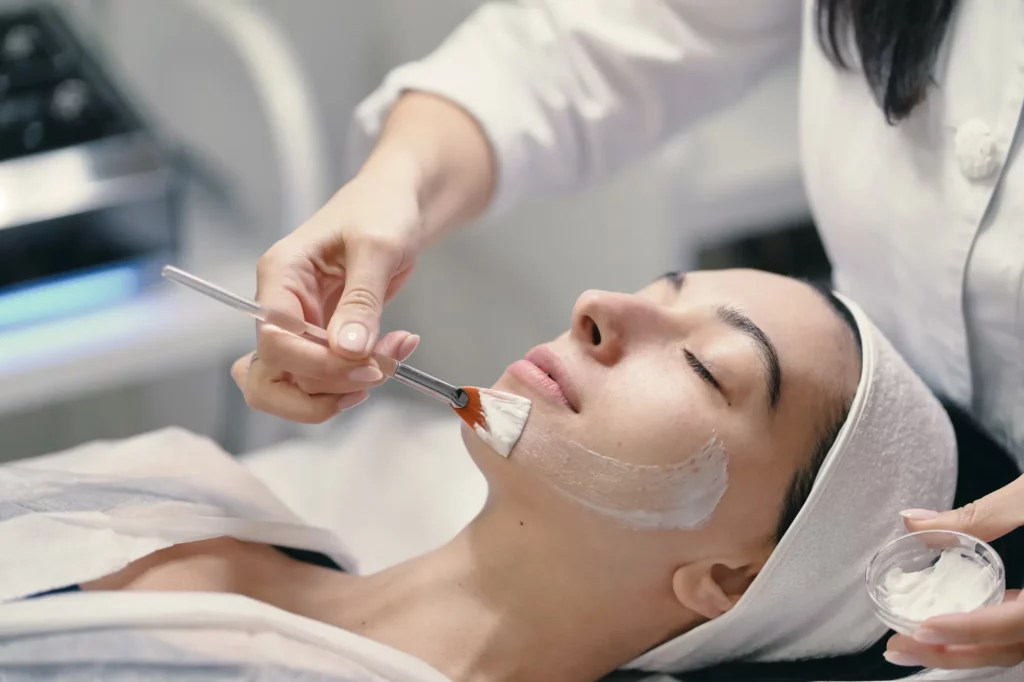
Chemical peels are dermatological treatments that involve the application of a chemical solution to the skin, which causes the outer layer to exfoliate and eventually peel off. This process stimulates the skin’s natural healing response, leading to the formation of new, healthier skin. Chemical peels can be categorized into three main types based on the depth of exfoliation: superficial, medium, and deep peels. The type of peel you choose will depend on the specific skin issues you’re addressing and your skin type.
The use of acids in chemical peels is central to their effectiveness. These acids work by breaking down the bonds between dead skin cells, allowing them to slough off and reveal the smoother, more even skin underneath. The depth and intensity of the peel are determined by the type of acid used and the concentration of the solution. Some acids are gentler and more suitable for sensitive skin, while others are more aggressive and designed for tackling deeper skin issues.
Types of acids used in chemical peels
Alpha-hydroxy acids (AHAs)
Alpha-hydroxy acids are water-soluble acids derived from fruits, milk, and other plant-based sources. AHAs are most commonly used in superficial chemical peels and are known for their gentle exfoliating properties. They work by breaking down the bonds between dead skin cells, making it easier for the skin to shed and renew itself. One of the most well-known AHAs is glycolic acid, which is derived from sugarcane. Glycolic acid has a small molecular structure, which allows it to penetrate the skin more effectively and deeply, making it ideal for targeting fine lines, acne scars, and sun damage.
Another popular AHA is lactic acid, which is derived from milk and is known for being slightly gentler than glycolic acid. Lactic acid is ideal for individuals with sensitive skin, as it exfoliates without causing significant irritation. Other AHAs include citric acid, which is derived from citrus fruits and helps with brightening the skin, and mandelic acid, which is derived from almonds and is often used to treat hyperpigmentation and acne.
Beta-hydroxy acids (BHAs)
Beta-hydroxy acids are oil-soluble, making them ideal for individuals with oily or acne-prone skin. The most commonly used BHA in chemical peels is salicylic acid, which is derived from willow bark. Salicylic acid works by penetrating deep into the pores and breaking down the buildup of oils and dead skin cells that can contribute to acne. Because it is oil-soluble, salicylic acid is highly effective in treating clogged pores and acne lesions, making it a popular choice for individuals with oily or acne-prone skin.
Salicylic acid also has anti-inflammatory properties, which help to reduce redness and swelling associated with acne. Additionally, its exfoliating action promotes the turnover of skin cells, helping to fade acne scars and prevent future breakouts. While BHAs are highly effective for acne treatment, they may be too intense for those with sensitive skin, as they can cause irritation if used in high concentrations.
Trichloroacetic acid (TCA)
Trichloroacetic acid is a powerful acid used in medium-depth to deep chemical peels. TCA is effective in treating more severe skin issues such as deep wrinkles, sun damage, and acne scars. Unlike AHAs and BHAs, which primarily target the outer layers of skin, TCA penetrates deeper into the dermis, stimulating collagen production and promoting the regeneration of new skin cells. As a result, TCA peels are often used to address more advanced signs of aging and skin damage.
The TCA peel works by removing damaged skin layers and encouraging new skin growth. The strength of the TCA peel can be adjusted based on the concentration of the acid used, allowing for more customized treatments. A higher concentration of TCA will produce a more significant peel and is typically recommended for individuals with more severe skin concerns. While TCA peels are highly effective, they can also be more painful and require a longer recovery time compared to superficial peels.
Jessner’s peel
The Jessner’s peel is a combination chemical peel that contains a blend of salicylic acid, lactic acid, and resorcinol. This peel is considered a medium-depth treatment and is commonly used to treat acne, hyperpigmentation, and signs of aging. The combination of acids helps to exfoliate the skin while also providing antibacterial and anti-inflammatory benefits. Jessner’s peel is highly effective at improving skin texture and tone, and it can also be used to treat more stubborn cases of acne and scarring.
Jessner’s peel is often used in a series of treatments for optimal results. The peel works by deeply exfoliating the skin and promoting cell turnover, leading to a brighter, smoother complexion. The resorcinol in the formula is particularly beneficial for treating stubborn pigmentation issues, such as age spots or sunspots.
Phenol peel
Phenol is one of the strongest acids used in chemical peels and is generally reserved for deep peels. The phenol peel is typically used to treat severe wrinkles, deep scars, and other extensive skin damage. This peel works by removing the entire outer layer of the skin and stimulating the production of new collagen, resulting in smoother and firmer skin. Because of its intensity, phenol peels require a longer recovery period and are typically performed under sedation or anesthesia.
While the phenol peel is highly effective in treating advanced skin concerns, it comes with a higher risk of complications and side effects. As such, it is not typically recommended for individuals with darker skin tones or those who are prone to scarring.
The benefits of chemical peels with acids
Chemical peels with acids offer a wide range of benefits for individuals seeking to improve the appearance and health of their skin. These treatments can address a variety of concerns, from acne and hyperpigmentation to fine lines and wrinkles. The exfoliating properties of acids help to remove dead skin cells, promoting the growth of fresh, healthy skin. This process can result in a smoother, more even skin tone and improved texture.
Additionally, many of the acids used in chemical peels have therapeutic properties that go beyond exfoliation. For instance, salicylic acid’s anti-inflammatory effects can help reduce redness and irritation associated with acne, while lactic acid can hydrate the skin and promote a youthful appearance. Depending on the type of acid used, chemical peels can be tailored to suit different skin types and concerns, ensuring a personalized treatment that delivers optimal results.
Skin by Kasia
Find your treatment and make your face look beautiful!
Make an appointment for a treatment or contact us for a consultation and selection of the appropriate treatment!