What is glycolic acid?
Glycolic acid is a naturally occurring organic compound that belongs to the alpha-hydroxy acid family. It is derived from sugarcane, although it can also be sourced from other natural ingredients like fruits and milk. As one of the smallest AHAs, glycolic acid has the ability to penetrate the skin deeply, making it highly effective at exfoliating and improving skin texture.
In its simplest form, glycolic acid is a colorless, odorless substance that works as a gentle exfoliant. By breaking down the bonds that hold dead skin cells together on the surface, glycolic acid helps to reveal the fresh, healthy skin beneath. This exfoliation process is key to many of the benefits glycolic acid offers, from combating acne and hyperpigmentation to improving overall skin tone and radiance.
How glycolic acid works on the skin
When applied to the skin, glycolic acid works by loosening the connections between dead skin cells, allowing them to be sloughed off more easily. This process, known as chemical exfoliation, is much gentler than physical exfoliation, which can sometimes cause irritation or microtears in the skin. As dead skin cells are removed, the skin is left smoother, fresher, and more even in tone.
In addition to its exfoliating properties, glycolic acid stimulates the production of collagen and elastin, two proteins that are essential for maintaining skin firmness and elasticity. With regular use, glycolic acid can help to reduce the appearance of fine lines and wrinkles, making the skin look more youthful and plump. Moreover, glycolic acid helps to improve skin hydration by enhancing the skin’s ability to retain moisture, leaving it feeling soft and supple.
The benefits of glycolic acid
Glycolic acid offers a multitude of benefits for the skin, making it an essential ingredient for those looking to improve their complexion. One of the primary advantages of glycolic acid is its ability to exfoliate the skin. By removing dead skin cells, glycolic acid promotes cell turnover, allowing for the regeneration of new skin. This process helps to combat dullness and uneven skin texture, leading to a brighter and more radiant complexion.
Glycolic acid is particularly effective at treating hyperpigmentation, such as dark spots, age spots, and melasma. Its exfoliating action helps to fade these discolorations by accelerating the shedding of the skin’s outer layers, revealing a more even skin tone underneath. For individuals struggling with acne or clogged pores, glycolic acid is also a go-to solution. By dissolving the buildup of dead skin cells and oil, it helps to prevent pores from becoming clogged, which can lead to breakouts. Regular use of glycolic acid can help clear the skin and reduce the frequency of acne flare-ups.
Another significant benefit of glycolic acid is its ability to reduce the appearance of fine lines and wrinkles. As an exfoliant, glycolic acid removes the outer layers of the skin, stimulating the production of collagen and elastin in the deeper layers. This leads to firmer, smoother skin and helps to prevent the formation of new wrinkles over time. Additionally, glycolic acid promotes better skin hydration by enhancing the skin’s moisture retention capabilities, leading to a plumper and more youthful appearance.
How to use glycolic acid in Your skincare routine
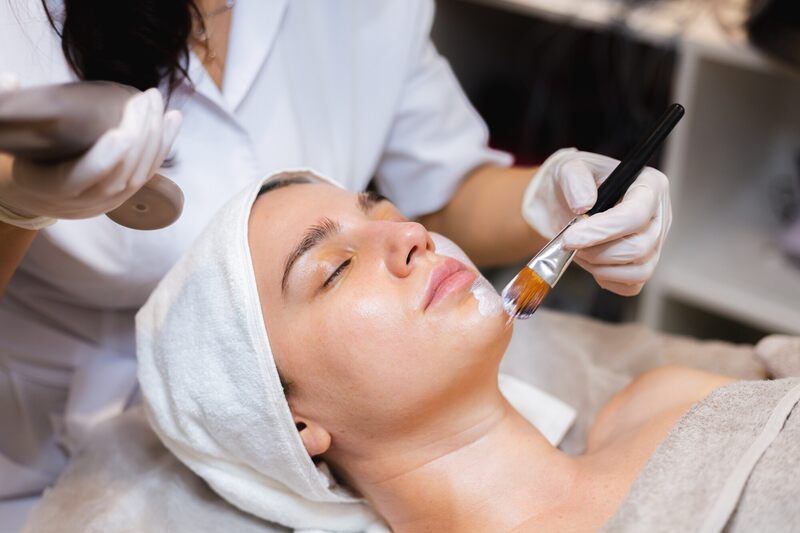
When incorporating glycolic acid into your skincare routine, it is important to start slowly and gradually build up your tolerance, especially if you have sensitive skin. Glycolic acid is available in a variety of concentrations, ranging from low (around 5-10%) in over-the-counter products to higher concentrations (20-30%) used in professional chemical peels. For beginners, it is advisable to start with a lower concentration to minimize the risk of irritation.
The first step in using glycolic acid is to cleanse your skin thoroughly. After cleansing, apply a glycolic acid toner or serum to your face, focusing on areas with more texture, acne scars, or discoloration. It is essential to allow the product to absorb into the skin before following with a moisturizer to lock in hydration. Glycolic acid can increase the skin’s sensitivity to the sun, so it is crucial to use sunscreen daily when incorporating glycolic acid into your routine.
It is also recommended to use glycolic acid products in the evening, as this allows the skin to regenerate overnight. Over time, you can increase the frequency of use based on how your skin responds. However, it is important to avoid over-exfoliating, as this can lead to irritation or sensitivity. It is best to use glycolic acid products two to three times a week to start, then gradually increase as your skin builds tolerance.
Precautions and side effects of glycolic acid
While glycolic acid is generally considered safe for most skin types, it can cause some side effects, especially when first introduced into a skincare routine. Common side effects include redness, dryness, irritation, or a tingling sensation. These side effects are typically mild and temporary, but it is essential to start with a lower concentration and build up gradually to avoid overwhelming the skin.
Individuals with sensitive skin, rosacea, or active skin conditions should consult with a dermatologist before using glycolic acid. It is also important to avoid using glycolic acid in conjunction with other potent active ingredients, such as retinoids or vitamin C, as this can increase the risk of irritation.
As glycolic acid makes the skin more sensitive to UV rays, it is crucial to wear broad-spectrum sunscreen daily to protect the skin from sun damage and prevent further irritation.
Who can benefit from glycolic acid?
Glycolic acid is suitable for most skin types, including oily, dry, and combination skin. It is particularly beneficial for individuals with dull, uneven skin tone, acne-prone skin, or signs of aging. Those dealing with hyperpigmentation, such as age spots, acne scars, or melasma, can benefit from glycolic acid’s ability to fade dark spots and even out the complexion. It is also effective for individuals with oily skin or acne, as it helps to control excess oil and prevent clogged pores.
However, individuals with extremely sensitive skin or certain skin conditions, such as rosacea, should consult a dermatologist before using glycolic acid to ensure it is safe for their skin type
Skin by Kasia
Find your treatment and make your face look beautiful!
Make an appointment for a treatment or contact us for a consultation and selection of the appropriate treatment!