What Are Acne Scars?
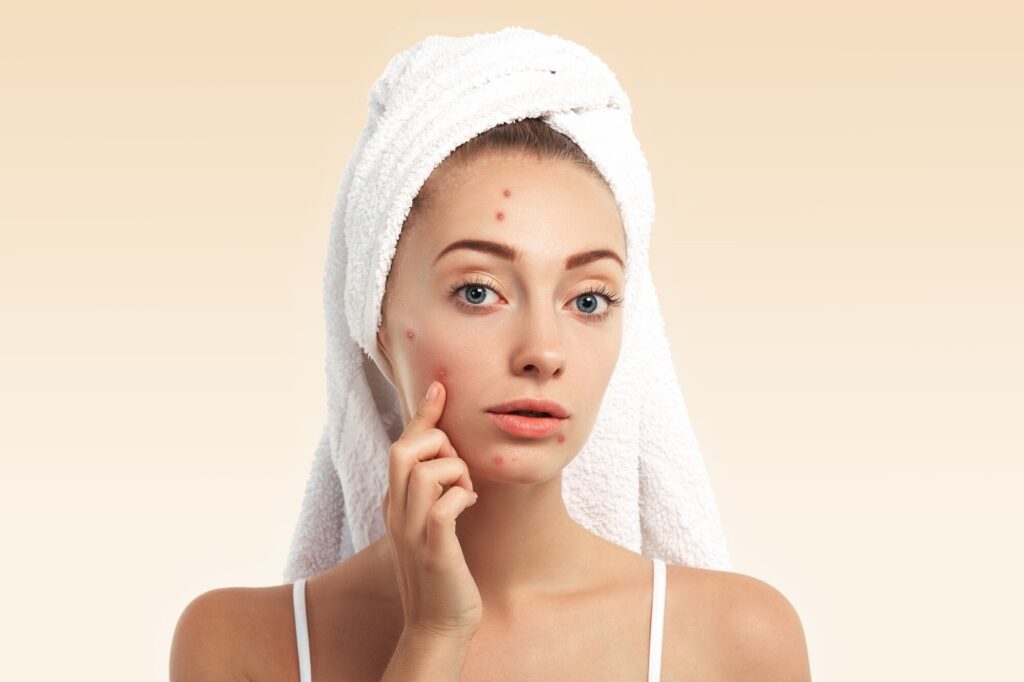
Acne scars are marks left on the skin after the healing of acne lesions, such as pimples, cysts, or pustules. These scars occur when the skin experiences significant trauma, such as inflammation, which leads to a breakdown in the skin’s structure. When the acne is severe or the body struggles to heal properly, the result is often permanent skin changes that can be difficult to reverse.
There are different types of acne scars, which vary in appearance and depth. The most common types include:
- Atrophic Scars - these are depressed or indented scars that appear when the skin loses collagen during the healing process. They can range from shallow to deep and are often referred to as "ice-pick" scars, boxcar scars, or rolling scars, depending on their shape and depth.
- Hypertrophic Scars - these are raised scars that occur when the body produces too much collagen during the healing process. While less common than atrophic scars, hypertrophic scars can be quite noticeable, as they appear as lumps or bumps on the skin.
- Post-inflammatory Hyperpigmentation (PIH) - this is a type of discolouration that may occur after an acne breakout, where dark spots or patches of skin are left behind. While these are not true scars, they can be mistaken for them and may take time to fade.
Why Do Acne Scars Form?
Inflammation
Picking or Squeezing Acne
Delayed Treatment
Genetics
Infection
How to Prevent Acne Scarring
While some acne scars are inevitable, there are several steps you can take to reduce the risk of scarring:
- Avoid Picking or Squeezing Acne
One of the most important things you can do to prevent acne scars is to resist the urge to pick, pop, or squeeze pimples. This can lead to further inflammation, infection, and a greater risk of scarring. If you struggle with this, try using topical acne treatments to dry out the blemishes and reduce the need to touch them. - Treat Acne Early
The sooner you start treating acne, the less likely you are to develop scars. Using over-the-counter treatments, such as benzoyl peroxide, salicylic acid, or retinoids, can help manage acne before it becomes severe. For more stubborn cases, consult a dermatologist who can provide prescription medications or stronger treatments. Use Sunscreen
Exposure to the sun can darken acne scars and make them more noticeable. Wearing sunscreen every day, even during the winter months, can help prevent this discolouration and protect your skin from further damage.Choose Gentle Skincare Products
Harsh products can irritate the skin and exacerbate acne. Opt for gentle, non-comedogenic skincare products that won’t clog pores or aggravate acne. This includes using moisturisers, cleansers, and serums formulated for acne-prone skin.Stay Hydrated and Eat a Healthy Diet
Proper hydration and a balanced diet rich in antioxidants can support your skin’s natural healing process. Foods high in vitamins A, C, and E can help repair skin damage and promote healthy skin renewal.
- Avoid Picking or Squeezing Acne
Ways to Remove or Reduce Acne Scars
Topical Treatments
- Retinoids, such as retinol or tretinoin, can help promote collagen production, improve skin texture, and fade discolouration. They can be particularly effective for treating atrophic scars and hyperpigmentation.
- Vitamin C is a powerful antioxidant that can help lighten dark spots and improve skin tone. It also supports collagen production, which can aid in the healing process of acne scars.
- Niacinamide is a form of vitamin B3 that can help reduce redness and inflammation, making it effective for post-inflammatory hyperpigmentation and overall skin repair.
Chemical Peels
Microneedling
Laser Treatments
Dermal Fillers
Laser Treatments
Acne scars are a common but often distressing result of acne. While it can be challenging to completely eliminate scars, there are numerous treatments available to reduce their appearance and restore smooth, even skin. From topical treatments to professional procedures, the options are plentiful, and the right choice will depend on the type and severity of the scars.
Preventing acne scars in the first place is always the best approach, and early treatment of acne, avoiding picking or squeezing blemishes, and protecting the skin from the sun can go a long way in minimising the risk of scarring. For those already dealing with acne scars, seeking professional guidance and choosing the right treatment can help you achieve the clear, beautiful skin you desire.
Skin by Kasia
Find your treatment and make your face look beautiful!
Make an appointment for a treatment or contact us for a consultation and selection of the appropriate treatment!