Acne
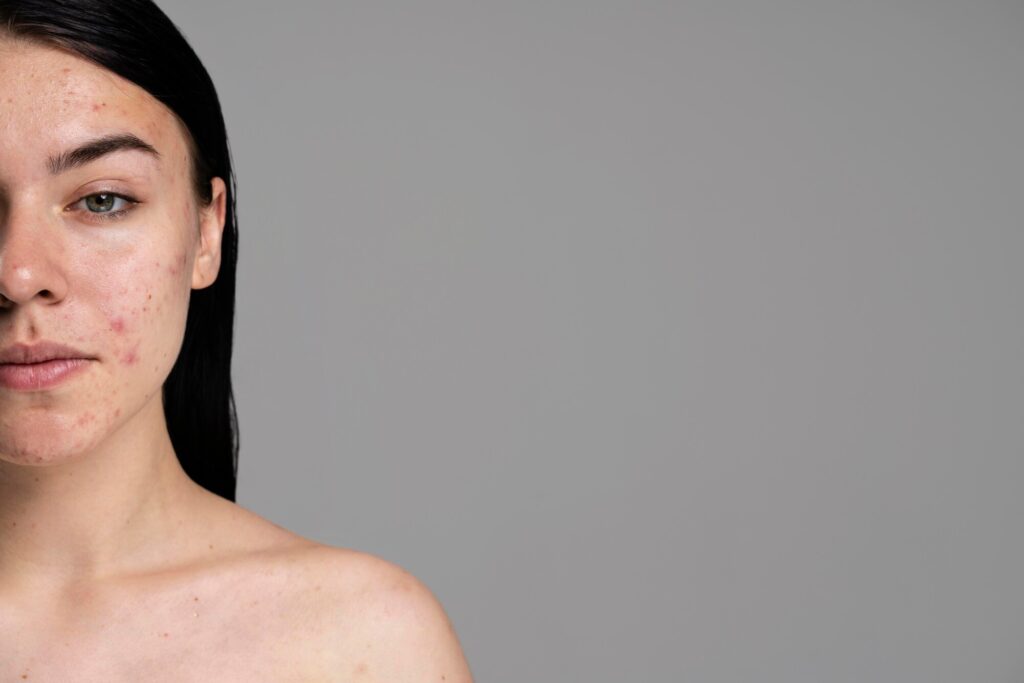
Acne is a common skin condition that affects people of all ages, though it is most prevalent during adolescence due to hormonal changes. It typically appears on the face, chest, back, and shoulders, where sebaceous (oil) glands are most active. Acne develops when hair follicles become clogged with oil (sebum), dead skin cells, and sometimes bacteria. This blockage can lead to inflammation and the formation of various types of spots.
Acne can be mild, moderate, or severe, and while it is not a serious health threat, it can significantly affect self-esteem and emotional wellbeing. Early treatment and consistent skincare can help manage the symptoms and prevent worsening of the condition.
CAUSE:
- Hormonal fluctuations, particularly during puberty, menstruation, pregnancy, or as a result of certain medical conditions such as polycystic ovary syndrome (PCOS)
- Excess sebum production, which can make the skin oily and prone to congestion
- Bacterial growth, specifically Cutibacterium acnes (formerly Propionibacterium acnes), which can contribute to inflammation in blocked pores
- Genetics, as acne can run in families
- Certain medications or use of heavy cosmetic products that may block pores
- Lifestyle factors, including high stress levels, poor diet, and inadequate skin hygiene, although these are typically secondary triggers rather than primary causes
SYMPTOMS:
- Blackheads (open comedones) - small dark spots where the pore remains open
- Whiteheads (closed comedones) - small, flesh-coloured bumps where the pore is closed
- Papules - small red, tender bumps
- Pustules - inflamed lesions with a white or yellow centre
- Nodules - large, painful lumps beneath the surface of the skin
- Cysts - severe, pus-filled lesions that can be deep and may lead to long-term scarring if untreated