- The Origins of Toners and Their Traditional Role
- How Skincare Has Evolved
- The Science Behind Skin pH and Barrier Health
- The Modern Role of Toners
- Do You Really Need One?
- Common Misconceptions About Toners
- How to Choose a Toner Wisely
- Modern Alternatives to Traditional Toners
- The Minimalist Skincare Movement
- When Toners Still Have a Place
- Outdated Step or Modern Essential
For decades, toners were considered an essential step in every skincare routine, a product meant to “balance” the skin, remove residue, and prepare the face for moisturiser. Beauty magazines and skincare experts of the past promoted toners as the final step of cleansing, indispensable for achieving clear, radiant skin. Yet, as cosmetic science has evolved, the question arises: do we still need toners today, or has modern skincare rendered them obsolete?
This article explores the origins of toners, their changing role in skincare, and the science behind why they may or may not deserve a place on your bathroom shelf.
The Origins of Toners and Their Traditional Role
The concept of toners dates back to the early and mid-20th century, when facial cleansers were far harsher than those we use today. Soaps and alcohol-based products stripped the skin of its natural oils, leaving it tight, dry, and vulnerable. Toners were created as a corrective step to remove the residue left by soap and restore the skin’s natural pH balance.
In that context, toners made perfect sense. They were primarily formulated with alcohol, astringents, and sometimes witch hazel to remove excess oil and impurities. For those with oily or acne-prone skin, they created an instant feeling of freshness and cleanliness.
However, these formulations often came at a cost. The high alcohol content disrupted the skin barrier, increasing sensitivity and dryness. Many people mistook that squeaky-clean feeling for effectiveness, when in fact it was a sign of damage to the skin’s protective layer.
How Skincare Has Evolved
Modern skincare has undergone a dramatic transformation, shifting from harsh cleansing towards maintaining skin health and balance. Thanks to advances in dermatological research, we now understand that the skin is a living organ with its own microbiome and lipid barrier, both crucial for hydration and defence.
Cleansers have become much gentler, often formulated with mild surfactants and hydrating ingredients such as glycerin, ceramides, or hyaluronic acid. This evolution has led many dermatologists to question whether toners are still necessary.
In contemporary skincare philosophy, every product should serve a clear, evidence-based purpose. Redundant steps, particularly those that disrupt the skin’s equilibrium, are now viewed as counterproductive. Thus, the modern approach favours efficiency, functionality, and skin barrier protection over lengthy, multi-step routines.
The Science Behind Skin pH and Barrier Health
To understand the debate around toners, it’s essential to grasp the concept of the acid mantle, a thin, slightly acidic film on the skin’s surface that acts as a protective barrier against bacteria, pollution, and dehydration. Its ideal pH is between 4.5 and 5.5.
Older cleansers used to disturb this balance, pushing the pH towards alkalinity (around 8 or 9). Toners were then needed to restore acidity and maintain barrier integrity. But today’s cleansers are typically pH-balanced, designed not to disrupt this natural state.
The need for a toner to “rebalance” the skin is therefore largely outdated. If your cleanser is mild and pH-appropriate, your skin should maintain its natural balance without any additional product.
The Modern Role of Toners
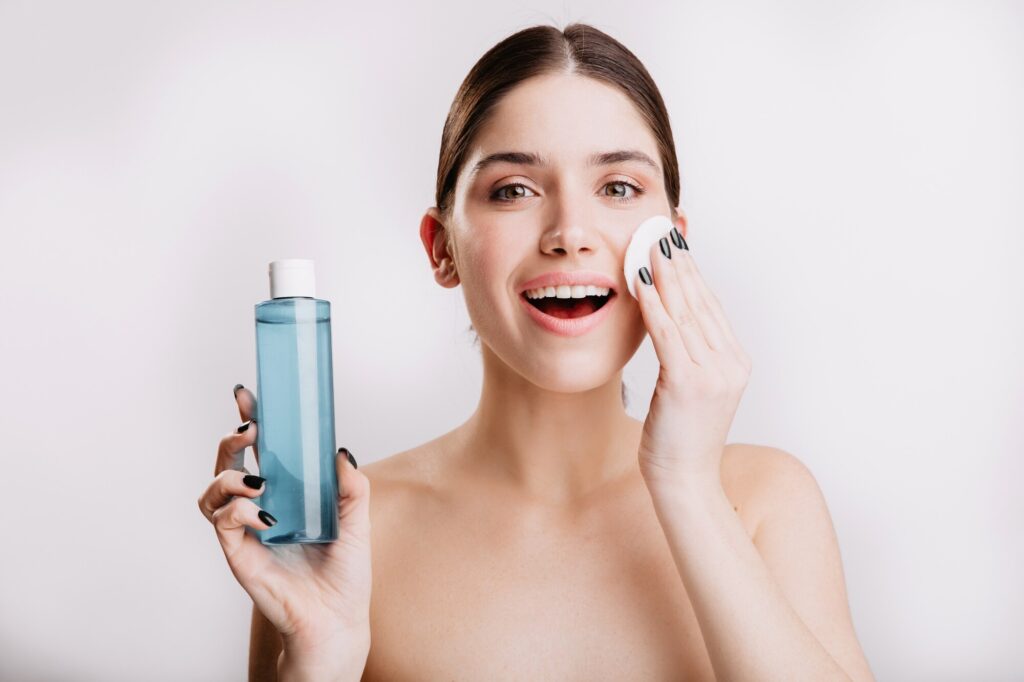
Despite being less essential than before, toners have not disappeared. Instead, they have evolved into multi-functional treatment liquids that serve specific purposes depending on formulation. Modern toners often resemble lightweight serums rather than the alcohol-heavy solutions of the past.
There are generally three main types of modern toners, each designed for different skin concerns:
Hydrating toners
Exfoliating toners
Balancing or soothing toners
Often infused with niacinamide, green tea, or chamomile extract, they calm irritation and refine the skin’s appearance without stripping it.
In other words, the word toner no longer refers to one product type, it now describes a category of lightweight liquids that can deliver active ingredients in an easily absorbed form.
Do You Really Need One?
Whether or not you need a toner depends largely on your skin type, the rest of your routine, and your specific goals.
For dry or sensitive skin, a hydrating toner may be beneficial, particularly if you live in a dry climate or spend much time in air-conditioned environments. It can add an extra layer of moisture and prepare your skin for serums or creams.
For oily or acne-prone skin, exfoliating toners containing salicylic acid or glycolic acid can be effective in keeping pores clear and reducing congestion. They should, however, be used sparingly and balanced with adequate hydration.
If you have a well-rounded skincare routine with a gentle cleanser, targeted serum, and moisturiser, a toner might be redundant. In fact, adding unnecessary steps could increase the risk of irritation or over-exfoliation.
The key is to assess what your skin truly needs rather than following outdated rules.
Common Misconceptions About Toners
Toners have accumulated many myths over time, and understanding them helps clarify their real value.
Myth 1: Toners are essential for removing leftover dirt
Modern cleansers are highly effective, and if you need toner to remove residue, your cleanser may not be suitable. Double cleansing, using an oil-based product followed by a gentle cleanser is now considered a more effective method.
Myth 2: Toners shrink pores
No topical product can permanently reduce pore size. While some ingredients, like niacinamide, can temporarily tighten the appearance of pores, the effect is superficial.
Myth 3: All toners dry out the skin
While this was true of alcohol-heavy formulas, most modern toners are formulated to hydrate rather than strip moisture. The key is reading ingredient labels carefully.
How to Choose a Toner Wisely
If you decide to include a toner in your routine, it should serve a distinct function, hydration, exfoliation, or soothing, not merely habit. A well-chosen toner can complement your regimen, while a poorly matched one can disrupt it.
When selecting a toner, consider the following principles:
- check the ingredient list - avoid alcohol denat or strong fragrances, which may irritate. Opt for gentle, functional ingredients that align with your skin’s needs,
- match it to your goals - hydration, brightening, exfoliation, or calming, choose based on a specific purpose, not marketing claims,
- monitor your skin’s reaction - introduce new toners gradually, especially those containing acids, and observe how your skin responds over time.
Modern Alternatives to Traditional Toners
With the rise of multi-functional skincare, many products now deliver the same benefits that toners once offered, but in more efficient forms. Hydrating mists, essence-like serums, and lightweight lotions often replace the need for a separate toner step.
For instance, essences, popularised by Korean skincare, combine hydration and active treatment, making them more potent than traditional toners. Meanwhile, facial mists can refresh the skin throughout the day, especially when enriched with antioxidants or botanical extracts.
Even moisturisers have evolved to include ingredients once exclusive to toners, such as niacinamide or hyaluronic acid, further reducing the need for multiple layers of product.
The Minimalist Skincare Movement
Modern skincare trends increasingly lean towards simplicity. The “skinimalism” movement advocates for fewer, more purposeful products. Instead of layering countless serums, creams, and toners, consumers now prioritise formulations that are both multifunctional and evidence-based.
Dermatologists agree that more is not always better. Overloading the skin with products can lead to barrier damage, sensitivity, and inconsistent results. The goal of skincare should be to support the skin’s natural functions, not to overwhelm it with steps that serve little purpose.
Thus, for many people, eliminating toner altogether and focusing on a cleanser, treatment serum, and moisturiser can lead to healthier, more balanced skin.
When Toners Still Have a Place
Despite the shift towards minimalist routines, there are circumstances where toners still hold value. They can be particularly useful in professional settings or for specific conditions.
For example, dermatologists may recommend acid-based toners to treat persistent acne or hyperpigmentation under controlled usage. Hydrating toners can also benefit individuals with compromised skin barriers, especially during harsh weather.
Additionally, some people enjoy the sensorial aspect of applying toner, the cooling sensation, the ritualistic comfort, and the psychological satisfaction of preparing the skin for the next step. Skincare, after all, is not purely scientific; it’s also personal and emotional.
Outdated Step or Modern Essential
So, do you really need a toner? The answer depends on context rather than tradition. In the era of advanced formulations, toners are no longer obligatory, they are optional, functional products designed for specific needs.
If you enjoy using one and it enhances your routine without irritation, there is no reason to stop. But if your skin feels balanced, hydrated, and healthy without it, then skipping toner is perfectly fine and perhaps even better for your skin’s simplicity and health.
Modern skincare is about listening to your skin, not following old rules. The days of rigid, one-size-fits-all routines are gone. What remains is an evidence-based, personalised approach where every step, including toner, must earn its place through genuine benefit.
In short, the question is no longer “Do you use a toner?” but rather “Does your toner truly serve your skin?”
Skin by Kasia
Find your treatment and make your face look beautiful!
Make an appointment for a treatment or contact us for a consultation and selection of the appropriate treatment!