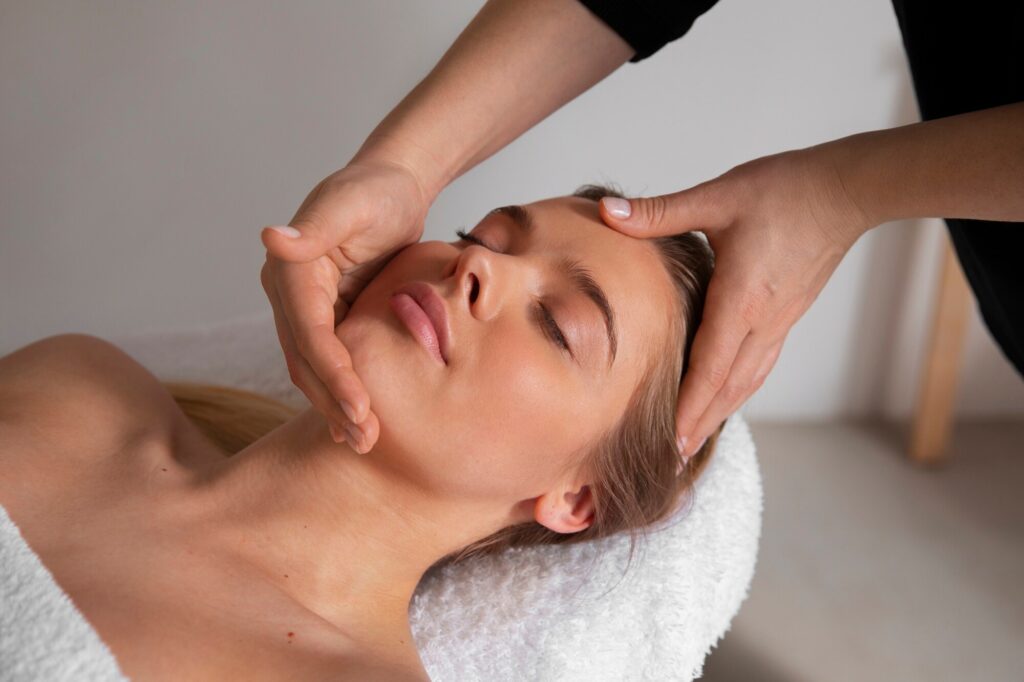

The Science Behind Skin Hydration
Understanding the science of skin hydration begins with the skin’s structure. The outermost layer of the skin, known as the stratum corneum, acts as a barrier that protects against environmental aggressors while also retaining moisture. When the skin is adequately hydrated, it appears plump, smooth, and radiant. Conversely, when hydration levels drop, the skin can become dry, flaky, and prone to irritation.
Research indicates that the skin’s moisture content is influenced by several factors, including external elements such as climate, humidity, and pollution, as well as internal factors like diet and overall health. The stratum corneum contains natural moisturising factors (NMFs) that help retain water and maintain skin elasticity. When these factors are compromised, the skin can lose its ability to hold onto moisture, leading to a dull and lifeless appearance.
The Role of Water in Skin Health
Water is essential for numerous physiological processes, and its impact on skin health cannot be overstated. Adequate water intake helps to flush out toxins from the body, supports cellular function, and promotes overall well-being. When the body is well-hydrated, the skin reflects this internal balance, appearing more vibrant and youthful.
Dehydration, on the other hand, can lead to a variety of skin concerns, including increased sensitivity, the formation of fine lines and wrinkles, and an overall lacklustre complexion. Studies have shown that even mild dehydration can alter skin barrier function, making it more susceptible to damage and irritation. This highlights the importance of not only drinking sufficient water but also incorporating hydrating foods into one’s diet for optimal skin health.
How Hydration Affects Different Skin Types
Each skin type has unique hydration needs, and understanding these requirements is key to achieving the best results. For individuals with dry skin, maintaining hydration is critical as their skin lacks the natural oils necessary to retain moisture. Regularly using hydrating serums and moisturisers that contain ingredients such as hyaluronic acid can help to draw moisture into the skin and prevent water loss.
On the other hand, those with oily or combination skin may mistakenly believe that hydration is not a priority. However, even oily skin requires adequate moisture to maintain balance. Skipping hydration can lead to an overproduction of sebum as the skin attempts to compensate for the lack of moisture, resulting in breakouts and congestion. Lightweight, oil-free moisturisers that provide hydration without adding excess oil are ideal for these skin types.
Sensitive skin also requires special attention when it comes to hydration. Individuals with sensitive skin may experience irritation or adverse reactions from certain products. Therefore, choosing gentle, hydrating formulations that are free from harsh chemicals and fragrances is essential. Incorporating hydrating ingredients like aloe vera, chamomile, or calendula can provide soothing benefits while keeping the skin adequately moisturised.
Tips for Optimising Skin Hydration
Achieving and maintaining optimal skin hydration involves more than just drinking water. There are several strategies one can employ to ensure that the skin remains hydrated from within and without. Firstly, it is important to establish a consistent skincare routine that includes cleansing, toning, and moisturising. Using a gentle cleanser helps to remove impurities without stripping the skin of its natural oils, while a hydrating toner can prepare the skin for subsequent products.
Incorporating serums rich in humectants, such as hyaluronic acid, can significantly boost hydration levels. These ingredients attract and retain moisture, providing a plumping effect that enhances the skin’s appearance. Following up with a high-quality moisturiser seals in hydration and creates a protective barrier against environmental stressors.
Additionally, environmental factors play a significant role in skin hydration. For instance, using a humidifier in dry indoor environments can help maintain moisture levels in the air, preventing the skin from becoming dehydrated. Moreover, during colder months, opting for thicker creams or oils can provide an extra layer of protection against harsh weather conditions.
Diet also plays a pivotal role in skin hydration. Consuming a balanced diet rich in fruits, vegetables, and healthy fats can enhance skin moisture levels. Foods high in omega-3 fatty acids, such as salmon and walnuts, can help strengthen the skin barrier, while hydrating fruits like watermelon and cucumbers can provide additional moisture.
The Impact of Lifestyle Choices on Skin Hydration
Lifestyle choices can significantly influence skin hydration. Factors such as stress, lack of sleep, and excessive alcohol consumption can contribute to dehydration and negatively affect the skin’s appearance. Stress can lead to hormonal imbalances that trigger skin issues, while insufficient sleep can hinder the body’s ability to repair and regenerate skin cells overnight.
To promote optimal hydration, it is essential to manage stress through techniques such as mindfulness, yoga, or regular exercise. Additionally, prioritising sleep by establishing a consistent bedtime routine can aid in the body’s natural recovery processes, resulting in healthier skin.
Limiting alcohol intake is also crucial, as alcohol can dehydrate the body and exacerbate skin issues. Instead, choosing antioxidant-rich beverages, such as herbal teas or infused waters, can promote hydration and provide added benefits for skin health.
Embrace Hydration for Glowing Skin
In conclusion, hydration is an essential component of maintaining healthy, radiant skin. By understanding the science behind skin hydration and implementing effective strategies to optimise moisture levels, individuals can significantly improve their skin’s appearance and overall health. From choosing the right skincare products to adopting a balanced diet and healthy lifestyle, the importance of hydration cannot be overstated. As we navigate through the myriad of skincare options available, let us not forget that the foundation of a glowing complexion lies in the simplest of elements—water. So, remember to drink up and ensure your skin stays beautifully hydrated.
Skin by Kasia
Find your treatment and make your face look beautiful!
Make an appointment for a treatment or contact us for a consultation and selection of the appropriate treatment!