Why winter skincare is essential
Hydrating facials
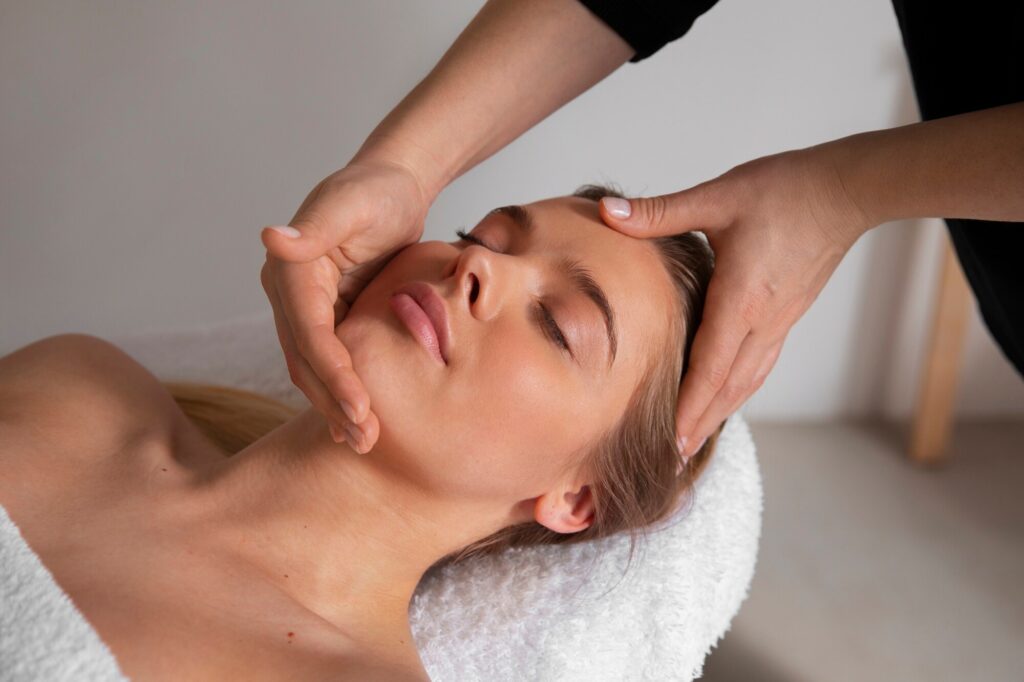
Hydrating facials are among the most beneficial treatments for winter skincare. These facials use products rich in humectants, such as hyaluronic acid, glycerin, and aloe vera, to attract moisture into the skin. During the treatment, estheticians often use serums and masks that deeply penetrate the skin, delivering moisture directly into the epidermis and leaving it feeling plump and soft. Some hydrating facials also include facial massage techniques, which help boost circulation and improve absorption, ensuring that your skin gets maximum benefits.
For those struggling with severe dryness, opt for treatments that include occlusive agents like shea butter or squalane. These ingredients help seal moisture within the skin, preventing it from evaporating into the dry winter air. Hydrating facials are suitable for all skin types but are particularly beneficial for those with naturally dry or sensitive skin, as they reinforce the skin barrier, reduce redness, and improve skin texture.
Exfoliating treatments
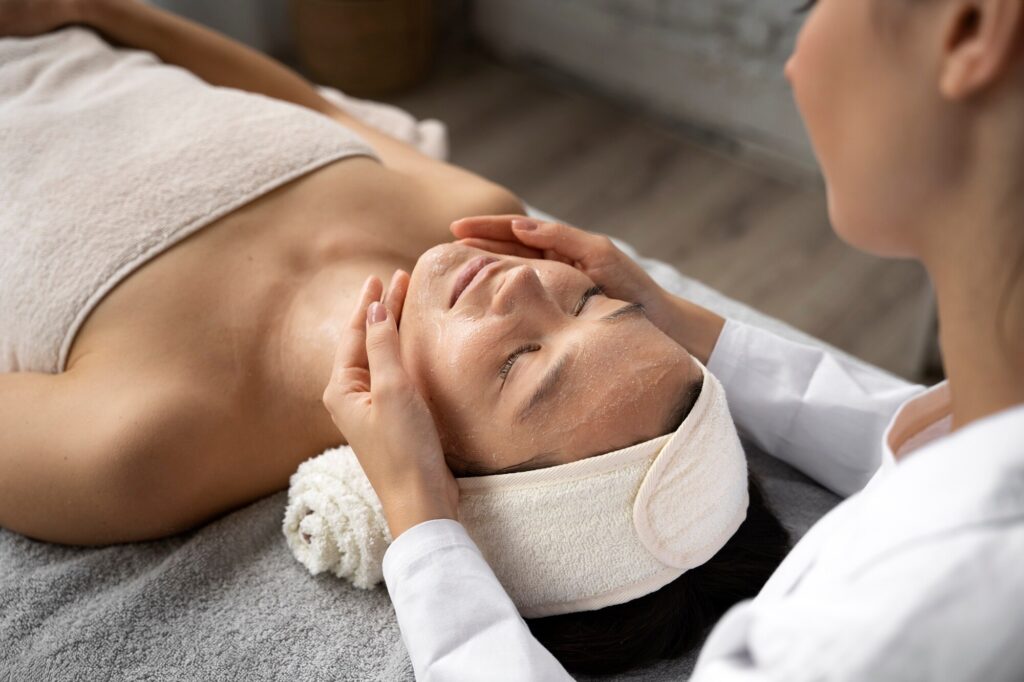
Exfoliation is essential in winter to remove dead skin cells that can accumulate due to slower cell turnover in colder months. Chemical exfoliation, such as glycolic or lactic acid peels, is gentler than physical exfoliation and can offer excellent results for smoother, more radiant skin. Chemical peels work by dissolving the bonds between dead skin cells, allowing them to be shed naturally, which helps to reveal a fresh layer of skin. This process also encourages the production of new skin cells, giving your face a revitalized look.
Microdermabrasion is another effective exfoliating treatment for winter, especially for those looking to reduce fine lines, minor scarring, and pigmentation. This technique involves using tiny crystals to gently buff away the top layer of skin, improving texture and tone. Although it’s a powerful treatment, microdermabrasion is typically safe when performed by a professional, and it can be tailored to suit your skin type. Just remember that exfoliating treatments may make your skin more sensitive to the elements, so always follow up with a rich moisturizer and sunscreen.
Oxygen facials
Oxygen facials are increasingly popular in winter because they offer a boost in hydration and circulation. This treatment involves using a stream of oxygen infused with vitamins, minerals, and antioxidants that penetrate the skin. The oxygen delivers these nourishing ingredients into the skin’s layers, helping to brighten and plump the complexion while providing an immediate glow. Oxygen facials are gentle and non-invasive, making them ideal for all skin types, including sensitive skin.
The treatment is particularly effective at reducing inflammation, soothing redness, and restoring radiance, which are common winter skin concerns. Additionally, oxygen facials support collagen production, which is essential for maintaining firmness and elasticity in colder weather. As an added benefit, this type of facial is safe to repeat frequently, making it an excellent option for ongoing winter skin maintenance.
LED light therapy
LED light therapy is another beneficial treatment for winter skincare, particularly for addressing seasonal skin issues like dryness, dullness, and sensitivity. This non-invasive treatment uses different wavelengths of light to target various skin concerns. Red LED light is especially effective for winter skincare, as it boosts collagen production and accelerates the healing process, which can be helpful for dry or irritated skin. Blue LED light, on the other hand, targets acne-causing bacteria, making it ideal for those dealing with winter breakouts.
LED light therapy can also help reduce inflammation, which is beneficial if your skin becomes more reactive in colder weather. The treatment is gentle enough to be used frequently, either as a standalone treatment or as a supplement to other facials. Many estheticians incorporate LED light therapy into hydrating or anti-aging facials to enhance the overall effects, making it a versatile addition to a winter skincare routine.
Anti-aging treatments
Winter is an excellent time to focus on anti-aging treatments, as there is typically less sun exposure, reducing the risk of UV damage during recovery. Treatments like microneedling, fractional laser therapy, and radiofrequency therapy stimulate collagen production, helping to reduce fine lines, wrinkles, and sagging skin. Microneedling involves using a device with tiny needles to create micro-injuries in the skin, prompting the body to heal and produce more collagen. This process improves skin texture and firmness over time, and regular treatments can significantly reduce signs of aging.
Fractional laser therapy is more intense and uses laser technology to create controlled wounds in the skin, stimulating collagen and elastin production. Radiofrequency therapy, on the other hand, uses heat to penetrate deeper layers of skin, encouraging tightening and lifting. While these treatments may require some downtime, the results can be long-lasting, making them worth considering during winter when your skin is less exposed to direct sunlight.
Brightening facials
Winter often brings with it a dull complexion, as skin loses its natural glow due to lack of sun and reduced circulation. Brightening facials are designed to counteract this dullness by using ingredients like vitamin C, niacinamide, and licorice extract to lighten and even out skin tone. These facials may include gentle exfoliation and antioxidant-rich serums to target dark spots and pigmentation, leaving the skin looking fresh and revitalized.
Vitamin C is a popular ingredient in brightening facials, as it neutralizes free radicals and supports collagen production, helping to improve skin radiance. Some brightening facials also incorporate pearl or gold-infused products for an added glow. Although brightening facials offer immediate results, regular sessions over the winter months can maintain a luminous complexion and prepare your skin for the sunnier seasons ahead.
Hot stone facials
Hot stone facials are a perfect winter treatment, combining the benefits of traditional facial massage with the warmth of heated stones. During this treatment, estheticians use smooth, heated stones to massage the face, which promotes relaxation, reduces muscle tension, and stimulates circulation. This warmth not only feels comforting in cold weather but also opens up pores, allowing for deeper penetration of hydrating and nourishing products.
Hot stone facials are ideal for those who suffer from tension in the jaw, forehead, or neck, as the warmth helps to release tightness in facial muscles. Additionally, the massage improves lymphatic drainage, reducing puffiness and giving the skin a naturally sculpted look. After a hot stone facial, the skin often appears refreshed, hydrated, and more radiant, making it an ideal winter indulgence.
At-home winter skincare tips
While professional treatments can offer remarkable results, maintaining a winter skincare routine at home is equally important for long-term skin health. Opt for a gentle cleanser that won’t strip away natural oils, followed by a hydrating toner to add moisture. Incorporating a serum with hyaluronic acid and a rich moisturizer can help reinforce the skin barrier and prevent moisture loss. If you experience dryness, consider using a facial oil as the last step of your evening routine, as it creates a protective layer over the skin.
It’s also crucial to exfoliate gently, ideally once or twice a week, to remove dead skin cells. However, avoid harsh scrubs, as these can further irritate winter skin. Instead, try using chemical exfoliants with alpha-hydroxy acids (AHAs) for a smoother, softer complexion. And don’t forget to apply sunscreen daily, even in winter, as UV rays can still cause skin damage.
KM Estetica
Find your treatment and make your face look beautiful!
Make an appointment for a treatment or contact us for a consultation and selection of the appropriate treatment!