Acne is often associated with adolescence, a time of hormonal changes, oily skin, and occasional breakouts. However, for many adults, the struggle with acne does not end with their teenage years. Adult acne, medically known as acne tarda, has become increasingly common, particularly among women in their 30s, 40s, and even 50s. It can be both physically uncomfortable and emotionally distressing, affecting self-esteem and confidence. Understanding what causes adult acne and how to manage it effectively is essential for achieving clearer and healthier skin.
What Is Adult Acne?
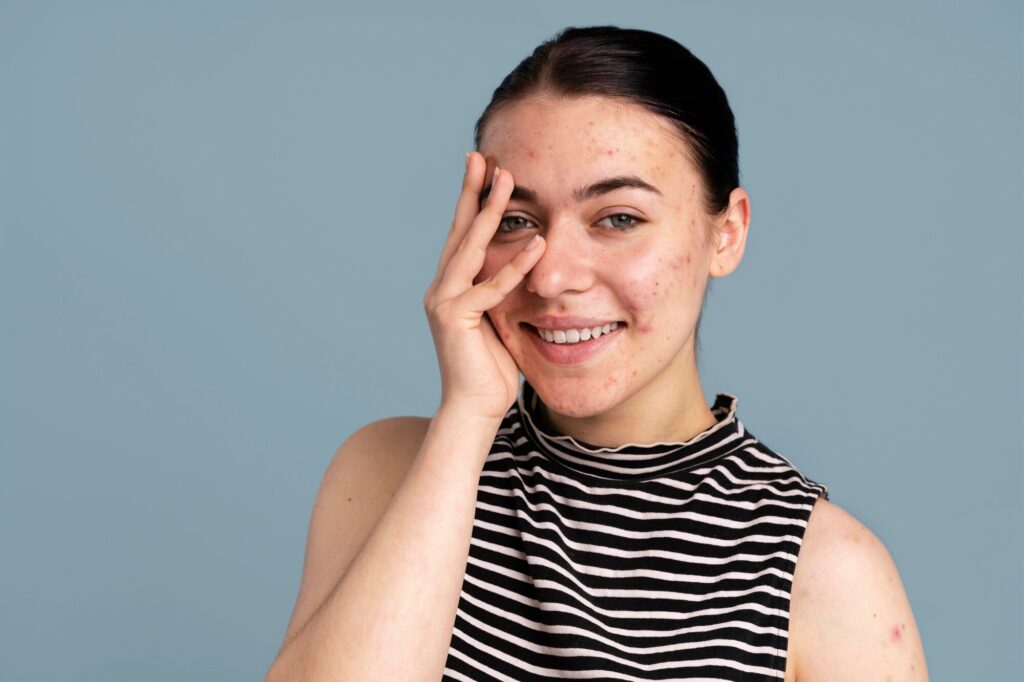
Adult acne refers to the presence of acne lesions in individuals aged 25 and older. It can appear as persistent acne that continues from adolescence or as a new onset in adulthood. The most common areas affected are the lower face, jawline, chin, neck, and back. These breakouts often manifest as inflammatory papules, pustules, cysts, or deep nodules rather than simple whiteheads or blackheads.
Unlike teenage acne, which is primarily linked to puberty and oil overproduction, adult acne has more complex origins. It is influenced by a combination of internal and external factors, including hormones, stress, skincare habits, and diet, which can vary significantly from person to person.
Common Causes of Adult Acne
Hormonal fluctuations
Stress
Skincare and cosmetic products
Diet and lifestyle
Genetics
Medical conditions and medications
Understanding the Difference Between Teenage and Adult Acne
Although both forms of acne involve blocked pores and inflammation, adult acne behaves differently from adolescent acne. Adult skin tends to be drier and less resilient, meaning that treatments suited for teenagers can often be too harsh for mature skin. Moreover, adult acne lesions are often deeper, more inflamed, and take longer to heal.
Adults are also more prone to post-inflammatory hyperpigmentation, dark spots that linger after a breakout, due to slower cell turnover. This means that managing adult acne requires a more targeted and gentle approach that focuses on both treating the breakout and maintaining overall skin health.
How to Manage and Treat Adult Acne
1. Establish a Gentle Skincare Routine
Consistency is key when it comes to acne-prone skin. Avoid harsh products that strip the skin of natural oils or cause irritation. Instead, focus on gentle, non-comedogenic formulations that support skin balance.
A basic acne-care routine should include:
- A mild cleanser - Use a sulphate-free product with ingredients such as salicylic acid or glycolic acid to unclog pores without over-drying;
- An oil-free moisturiser - Hydration helps regulate oil production and supports barrier repair. Look for ingredients like niacinamide or hyaluronic acid;
- A broad-spectrum sunscreen - Daily sun protection prevents post-acne marks and premature ageing. Choose non-greasy, mineral-based sunscreens.
2. Target the Root Causes with Active Ingredients
Modern dermatology offers a range of effective ingredients designed to treat and prevent adult acne. When incorporated correctly into a routine, they can significantly reduce breakouts and improve skin texture.
Key ingredients to look for include:
- Retinoids (Vitamin A derivatives). Regulate cell turnover, prevent clogged pores, and stimulate collagen production.
- Benzoyl peroxide. Reduces acne-causing bacteria and inflammation.
- Salicylic acid (BHA). Penetrates deep into the pores, exfoliating from within and reducing blackheads.
- Azelaic acid. Balances oil production, soothes redness, and helps fade pigmentation.
3. Consider Professional Treatments
For persistent or severe cases, professional dermatological interventions may be necessary. Advances in cosmetic dermatology have made it possible to target acne safely and effectively using minimally invasive treatments.
Some of the most popular options include:
- chemical peels - improve skin texture, unclog pores, and lighten acne scars,
- LED light therapy - uses blue and red light to kill bacteria and reduce inflammation,
- microneedling and laser treatments - stimulate collagen production and fade post-acne marks,
- prescription medications - topical or oral antibiotics, hormonal treatments (such as the contraceptive pill or spironolactone), and isotretinoin for resistant acne.
The Role of Diet and Lifestyle in Acne Management
Although diet is not the sole cause of acne, growing evidence suggests that certain foods can influence hormonal balance and inflammation. To support clear skin from within, it’s worth paying attention to dietary habits and lifestyle choices.
Focusing on the following principles can make a visible difference:
- Reduce high-glycaemic foods such as white bread, pastries, and sugary drinks, as they can spike insulin levels and trigger hormonal changes.
- Limit dairy intake, particularly skimmed milk, which has been linked to increased acne severity in some studies.
- Incorporate anti-inflammatory foods like fatty fish, leafy greens, berries, nuts, and whole grains.
- Stay hydrated to help flush out toxins and maintain healthy skin function.
- Prioritise sleep and stress management – mindfulness, yoga, and moderate exercise can all help regulate cortisol and support hormonal balance.
Small, consistent changes in daily habits can often complement topical treatments and improve skin resilience.
Psychological Impact of Adult Acne
Beyond the physical symptoms, adult acne can have a profound emotional and psychological impact. Many adults feel embarrassed or self-conscious about their skin, particularly in professional or social settings. Persistent breakouts can lead to anxiety, low self-esteem, and even depression in severe cases.
Acknowledging the emotional burden of acne is an important part of treatment. Talking to a dermatologist or counsellor can provide reassurance, practical solutions, and emotional support. Remember, adult acne is a common condition, and with proper care, it is entirely manageable.
When to See a Dermatologist
If over-the-counter treatments and lifestyle adjustments fail to improve your skin after several months, it may be time to consult a dermatologist. Professional assessment can help identify underlying medical conditions or hormonal imbalances that contribute to acne. Early intervention not only prevents scarring but also speeds up the healing process and reduces frustration.
Seek medical advice if you notice:
- Painful, cystic acne that leaves marks or scars.
- Acne flare-ups linked to hormonal changes or menstrual cycles.
- Acne accompanied by excessive hair growth or irregular periods (possible signs of PCOS).
- Worsening symptoms despite consistent skincare.
- Prioritise sleep and stress management – mindfulness, yoga, and moderate exercise can all help regulate cortisol and support hormonal balance.
Clearer Skin Is Possible
Adult acne is more common than many people realise, and it does not have to define your self-image. With a combination of consistent skincare, mindful lifestyle habits, and professional guidance, achieving clearer, healthier skin is entirely within reach.
Remember that progress takes time, acne management is a journey, not a quick fix. Every small improvement is a step towards restoring both your skin and confidence. By understanding your body, choosing the right products, and prioritising self-care, you can take control of adult acne and enjoy the comfort of balanced, radiant skin once again.
Skin by Kasia
Find your treatment and make your face look beautiful!
Make an appointment for a treatment or contact us for a consultation and selection of the appropriate treatment!