Content:
- Understanding the benefits of face massage
- Choose the right time and setting
- Cleanse Your skin thoroughly
- Exfoliate to remove dead skin cells
- Hydrate Your skin
- Choose the right oil or cream
- Prepare Your hands
- Set Your intentions and relax
- Practice gentle massage techniques
- Post-massage care – rinse or leave on?
- Rehydrate and reflect
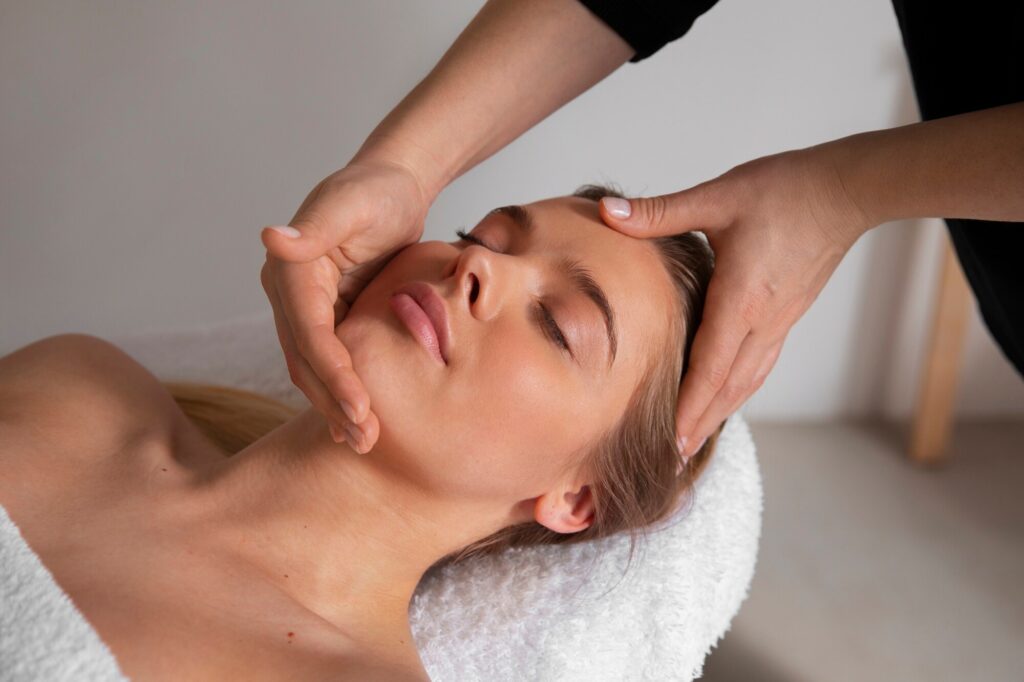
Face massages are not only relaxing but can significantly improve skin tone, reduce puffiness, and promote a radiant complexion. However, preparing for a face massage is essential to ensure the best results. Whether you’re getting a professional massage or trying one at home, proper preparation can make all the difference. Here’s a comprehensive guide on how to get ready for a face massage.
Understanding the benefits of face massage
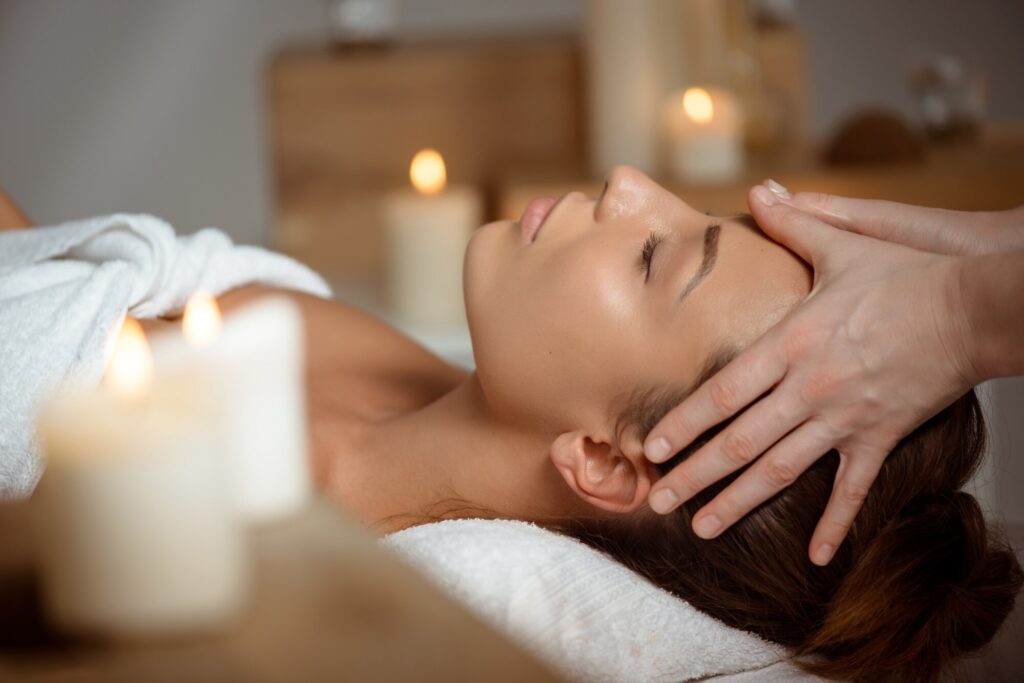
Before diving into the preparation steps, it’s essential to understand the benefits of a face massage. A well-performed massage stimulates blood circulation, helping to supply nutrients to the skin, which promotes cell regeneration. This process also encourages lymphatic drainage, which reduces puffiness and can detoxify the skin. Face massage can relax facial muscles, easing tension, which is especially beneficial for those who suffer from jaw clenching or frequent headaches. Regular face massages can even reduce the appearance of fine lines and promote a natural glow, making it a must for anyone looking to improve their skin’s health and appearance.
Choose the right time and setting
Timing is crucial when preparing for a face massage. It’s best to set aside a time when you’re free from distractions and can fully relax. Many people find that the evening is ideal, as it helps them unwind before bed. If possible, create a calming environment by dimming the lights, playing soft music, and making sure the room temperature is comfortable. Having a relaxing setting enhances the massage experience, allowing you to reap maximum benefits.
Cleanse Your skin thoroughly
The first and most crucial step in preparing for a face massage is to cleanse your skin properly. Use a gentle cleanser to remove any makeup, dirt, and impurities. This step ensures that your pores are clean, which allows the massage to have a more profound effect on your skin. Opt for a cleanser that suits your skin type; for instance, if you have sensitive skin, a mild, fragrance-free cleanser is ideal. After washing, rinse your face with lukewarm water to open up your pores slightly, making it easier for any oils or products to be absorbed during the massage.
Exfoliate to remove dead skin cells
Once your skin is clean, exfoliating can further enhance the benefits of a face massage. Exfoliation helps remove dead skin cells, allowing for better absorption of oils or creams used during the massage. Use a gentle scrub or exfoliating product to avoid irritation. If you have sensitive skin, consider using a mild enzyme exfoliant instead of a physical scrub. Exfoliating just once a week before a face massage can improve your skin’s texture, making it smoother and more receptive to the massage techniques.
Hydrate Your skin
Hydration is key to a successful face massage, as well-moisturized skin is more pliable and less likely to become irritated during the massage. After cleansing and exfoliating, apply a hydrating toner or mist to your skin. This not only refreshes the skin but also prepares it to absorb the oils or creams used during the massage. You can follow up with a lightweight serum if desired, but avoid heavy creams at this stage, as they may create too much friction.
Choose the right oil or cream
Selecting the right oil or cream for a face massage is crucial, as it determines the overall comfort and effectiveness of the massage. Oils such as jojoba, argan, and rosehip are popular choices because they are non-comedogenic, meaning they won’t clog your pores. If you have oily or acne-prone skin, a lightweight, fast-absorbing oil is preferable. For dry skin, opt for richer oils like avocado or olive oil. Test the product on a small area of your skin to ensure there are no allergic reactions before applying it to your face.
Prepare Your hands
Hydration is key to a successful face massage, as well-moisturized skin is more pliable and less likely to become irritated during the massage. After cleansiYour hands should be clean and warm before starting the massage. Wash them thoroughly to avoid transferring any bacteria or dirt onto your face. Warming your hands can also make the massage more comfortable. Rub your palms together for a few seconds or run them under warm water. This small step makes a big difference, as warm hands glide more smoothly over the skin, enhancing relaxation and allowing the oils to penetrate better.
ng and exfoliating, apply a hydrating toner or mist to your skin. This not only refreshes the skin but also prepares it to absorb the oils or creams used during the massage. You can follow up with a lightweight serum if desired, but avoid heavy creams at this stage, as they may create too much friction.
Set Your intentions and relax
Before beginning the massage, take a moment to set your intentions. This might seem like a small step, but it can profoundly affect your experience. Face massages are not only for beauty benefits but also serve as a form of self-care. Take a few deep breaths, clear your mind, and focus on the goal of relaxation and rejuvenation. If you’re doing a self-massage, remember to avoid rushing through the steps. A calm, mindful approach will help you feel more relaxed and allow you to get the most out of each movement.
Practice gentle massage techniques
When it’s finally time for the massage, remember that less is often more. Start with gentle, upward strokes, focusing on areas prone to tension, like the forehead, temples, and jawline. Use your fingertips and apply light pressure to avoid pulling or stretching the skin. Be mindful of areas around the eyes, as the skin is delicate. If you’re not sure about the techniques, consider watching a tutorial or following a step-by-step guide from a reputable source to ensure you’re doing it safely and effectively.
Post-massage care – rinse or leave on?
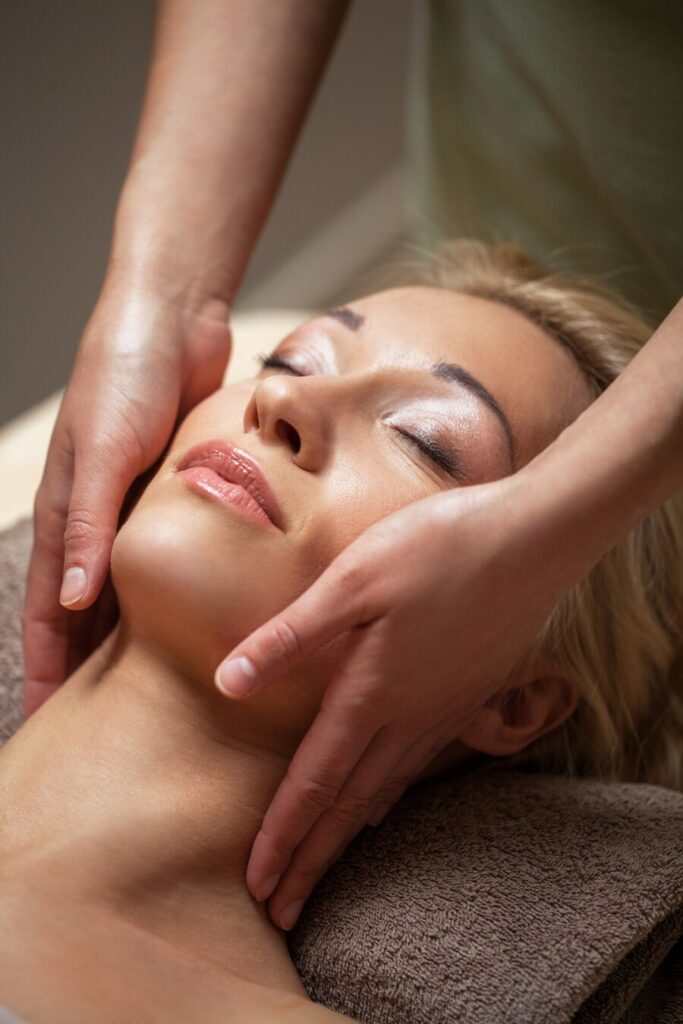
After the massage, some people prefer to leave the oil or cream on their skin to let it absorb overnight. If you have dry skin, this can be especially beneficial, as it locks in moisture. However, if you have oily or sensitive skin, you may want to rinse your face with lukewarm water to avoid clogging pores. Gently pat your skin dry and follow up with a moisturizer if needed. This step will seal in the hydration and ensure your skin stays supple and smooth after the massage.
Rehydrate and reflect
Finally, rehydration is essential after any type of massage. Drink a glass of water to help your body flush out any toxins released during the process. Reflecting on the experience can also be beneficial, especially if the massage was a part of your self-care routine. Notice how your skin feels and look for any signs of improvement in the days following the massage. Regular massages can make a noticeable difference in skin health, so consider incorporating this practice into your routine once or twice a week for the best results.
Preparing for a face massage involves more than just applying oils and starting the process. By following these steps, you can ensure that each massage session is as effective and beneficial as possible. From cleansing and exfoliating to choosing the right products and setting a relaxing environment, a little preparation goes a long way. Whether done by a professional or at home, a face massage can be a powerful tool for both beauty and relaxation. Treat it as a ritual, and your skin will thank you.
KM Estetica
Find your treatment and make your face look beautiful!
Make an appointment for a treatment or contact us for a consultation and selection of the appropriate treatment!