Acne may disappear, but the marks it leaves behind can remain for months or even years. Acne scars affect people of all ages and skin types, often impacting confidence and making individuals feel self-conscious about their appearance. The good news is that modern skincare, healthy habits, and professional treatments can significantly improve the appearance of acne scars. While complete removal is not always possible, the right approach can make scars less noticeable and help restore a smoother, more even complexion.
This guide explains what acne scars are, why they develop, and the most effective methods to reduce their appearance. Whether your scars are mild or more pronounced, understanding your options is the first step towards healthier skin.
What Causes Acne Scars?
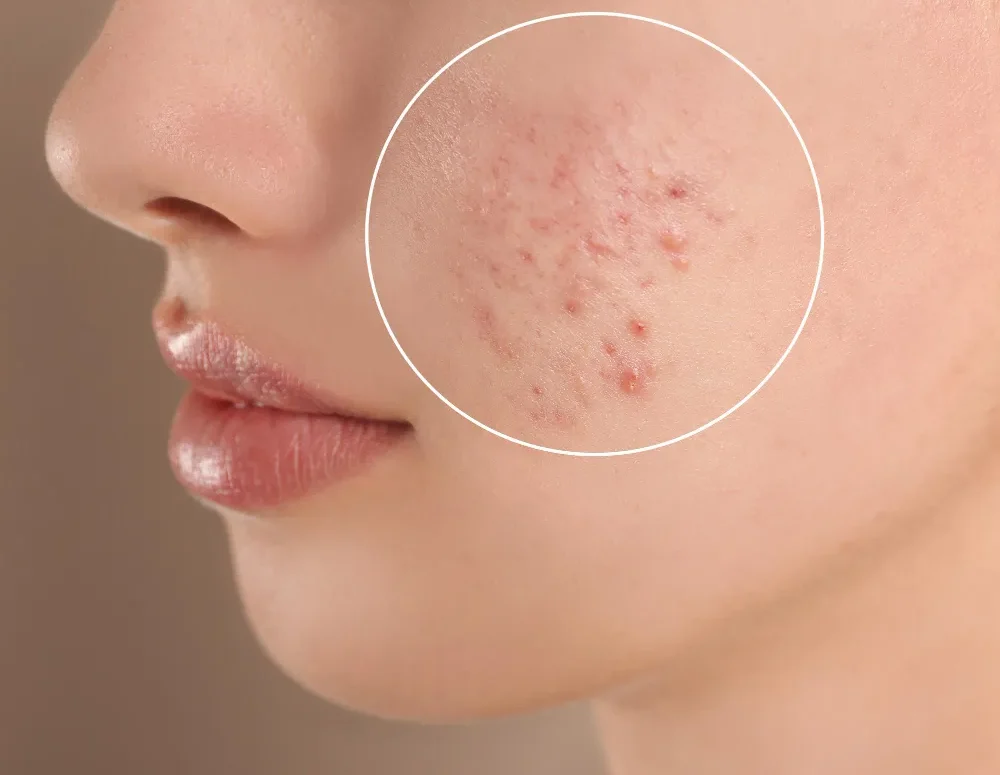
Acne scars develop when inflammation damages the deeper layers of the skin. Severe breakouts, especially cystic acne, can destroy collagen and elastin fibres that provide the skin with structure and firmness. As the skin heals, it may produce either too little or too much collagen, resulting in different types of scars.
Not everyone who experiences acne develops scarring. The likelihood depends on several factors, including the severity of the acne, genetics, how quickly treatment begins, and whether spots are squeezed or picked. Delaying treatment or repeatedly touching inflamed blemishes increases the risk of permanent skin changes.
Why Acne Scars Develop More Easily?
- Severe or cystic acne causes deeper inflammation.
- Picking or squeezing spots damages surrounding tissue.
- Delayed acne treatment prolongs inflammation.
- Genetic factors influence collagen production.
- Larger, longer-lasting breakouts are more likely to leave scars.
Understanding the Different Types of Acne Scars
Not all acne scars are the same, and identifying the type of scar is important because different treatments work better for different skin concerns. The most common scars are atrophic scars, which appear as depressions in the skin due to collagen loss. These include ice pick scars, boxcar scars, and rolling scars.
Some people develop hypertrophic or keloid scars instead. These occur when the skin produces too much collagen during healing, creating raised areas that are more common on the chest, shoulders, back, and jawline. In addition to true scars, many people also experience post-inflammatory hyperpigmentation, which consists of dark marks left after acne has healed. Although these marks are not scars, they often fade more quickly with proper skincare.
How to Recognise Different Acne Scars?
- Ice pick scars - Narrow, deep holes extending into the skin.
- Boxcar scars - Wider depressions with clearly defined edges.
- Rolling scars - Soft, wave-like indentations across the skin.
- Hypertrophic scars - Raised scars caused by excess collagen.
- Post-inflammatory hyperpigmentation - Flat brown or red marks that gradually fade.
Why Early Acne Treatment Matters?
The most effective way to reduce acne scars is to prevent them from forming in the first place. Treating acne early reduces inflammation, limits skin damage, and lowers the likelihood of permanent scarring. Even moderate acne should not be ignored if breakouts occur regularly or become painful.
Equally important is avoiding the temptation to squeeze or pick blemishes. Although it may seem harmless, this habit pushes bacteria deeper into the skin, increases inflammation, and significantly raises the risk of scars and pigmentation. Gentle skincare combined with appropriate acne treatment offers the best chance of healing without lasting marks.
How to Prevent Future Acne Scars?
- Begin treating acne as soon as breakouts appear.
- Avoid squeezing or picking spots.
- Use products suitable for acne-prone skin.
- Cleanse the skin gently without over-scrubbing.
- Seek professional advice if acne becomes persistent or severe.
Skincare Ingredients That Help Improve Acne Scars
Although skincare products cannot completely remove deep acne scars, certain active ingredients can gradually improve skin texture, support collagen production, and reduce discolouration. Consistency is essential, as visible improvements usually take several weeks or months.
Retinoids are among the most effective ingredients because they encourage skin renewal and stimulate collagen production. Vitamin C helps brighten pigmentation while supporting collagen synthesis, and niacinamide reduces redness and strengthens the skin barrier. Chemical exfoliants containing alpha hydroxy acids (AHAs) or beta hydroxy acids (BHAs) gently remove dead skin cells, promoting smoother skin over time.
Ingredients Worth Including in Your Routine
- Retinoids to encourage collagen production.
- Vitamin C to brighten skin and improve tone.
- Niacinamide to reduce redness and support the skin barrier.
- AHAs to improve texture through gentle exfoliation.
- BHAs to keep pores clear and reduce future breakouts.
The Importance of Daily Sun Protection
One of the most overlooked aspects of scar management is protecting the skin from ultraviolet radiation. Sun exposure can make pigmentation darker, slow the healing process, and reduce the effectiveness of many skincare ingredients used to improve acne scars.
Applying a broad-spectrum sunscreen every morning helps prevent existing marks from becoming more noticeable while protecting newly healed skin. Even on cloudy days, ultraviolet rays reach the skin and contribute to pigmentation changes. Daily sun protection should therefore be considered an essential part of every skincare routine, regardless of the season.
Daily Sun Protection for Scar Improvement
- Apply broad-spectrum SPF 30 or higher every morning.
- Reapply sunscreen during prolonged outdoor activities.
- Wear protective clothing and seek shade when possible.
- Combine sunscreen with antioxidant skincare for additional protection.
- Use sunscreen throughout the year, not only in summer.
Professional Treatments for Acne Scars
When skincare alone does not provide sufficient improvement, professional treatments performed by qualified practitioners may offer more noticeable results. The best treatment depends on the type, depth, and severity of the scars, as well as the individual’s skin type and medical history.
Microneedling stimulates the skin’s natural healing response by creating tiny controlled injuries that encourage collagen production. Chemical peels improve surface texture and pigmentation by removing damaged outer skin layers. Laser treatments target deeper skin structures, promoting collagen remodelling and improving texture over several sessions. In some cases, dermatologists may recommend subcision, dermal fillers, or combination therapies for deeper scars.



Healthy Lifestyle Habits That Support Skin Healing
Healthy skin begins from within. While lifestyle alone cannot eliminate acne scars, good daily habits create an environment that supports skin repair and improves overall skin quality. Eating a balanced diet rich in vitamins, minerals, healthy fats, and protein provides the nutrients required for collagen production and tissue repair.
Adequate sleep, stress management, regular physical activity, and proper hydration also contribute to healthier skin. Chronic stress may worsen acne through hormonal changes, making it more difficult to prevent new breakouts that could lead to additional scarring.
Everyday Habits That Benefit Your Skin
- Eat a balanced diet rich in fruits, vegetables, and protein.
- Stay well hydrated throughout the day.
- Sleep for seven to nine hours each night.
- Manage stress through regular relaxation or exercise.
- Avoid smoking, which slows skin repair.
Common Mistakes That Can Make Acne Scars Worse
Many people unintentionally slow their skin’s recovery by using harsh products or expecting immediate results. Over-exfoliating, using too many active ingredients at once, or changing products frequently can damage the skin barrier and increase irritation, making scars appear more noticeable.
Another common mistake is abandoning treatment too soon. Most evidence-based skincare products require consistent use for several months before significant improvements become visible. Patience, combined with a realistic treatment plan, usually delivers better results than aggressive or inconsistent routines.
Mistakes to Avoid When Treating Acne Scars
- Picking or squeezing blemishes.
- Using harsh scrubs on sensitive skin.
- Combining too many active ingredients at once.
- Skipping sunscreen.
- Expecting overnight improvements.
When Should You See a Dermatologist?
If acne scars are affecting your confidence or over-the-counter skincare has not delivered satisfactory results after several months, it is worth consulting a dermatologist. Professional assessment allows the exact scar type to be identified and an individual treatment plan to be created.
Early intervention often produces better outcomes, especially for newer scars. A dermatologist can also ensure that active acne is properly controlled before beginning scar treatments, helping prevent further skin damage while improving existing scars safely and effectively.
Skin by Kasia
Find your treatment and make your face look beautiful!
Make an appointment for a treatment or contact us for a consultation and selection of the appropriate treatment!