- Understanding the Causes of Facial Redness
- Gentle Skincare Routine
- The Importance of Sun Protection
- Anti-Redness Ingredients That Actually Work
- Professional Treatments for Stubborn Redness
- Lifestyle Adjustments That Make a Difference
- Choosing the Right Makeup for Redness-Prone Skin
- When to See a Dermatologist
Facial redness is a common concern that affects people of all ages and skin types. Whether it appears occasionally after exposure to the elements or persists due to an underlying skin condition, redness on the face can be both uncomfortable and frustrating. Many people find themselves wondering how to remove facial redness and restore a more even, natural complexion. Fortunately, with the right approach, it is possible to significantly reduce redness and improve the overall health and appearance of your skin.
This article explores the potential causes of facial redness, natural and medical solutions, as well as daily skincare tips that can help keep your skin calm and irritation-free.
Understanding the Causes of Facial Redness
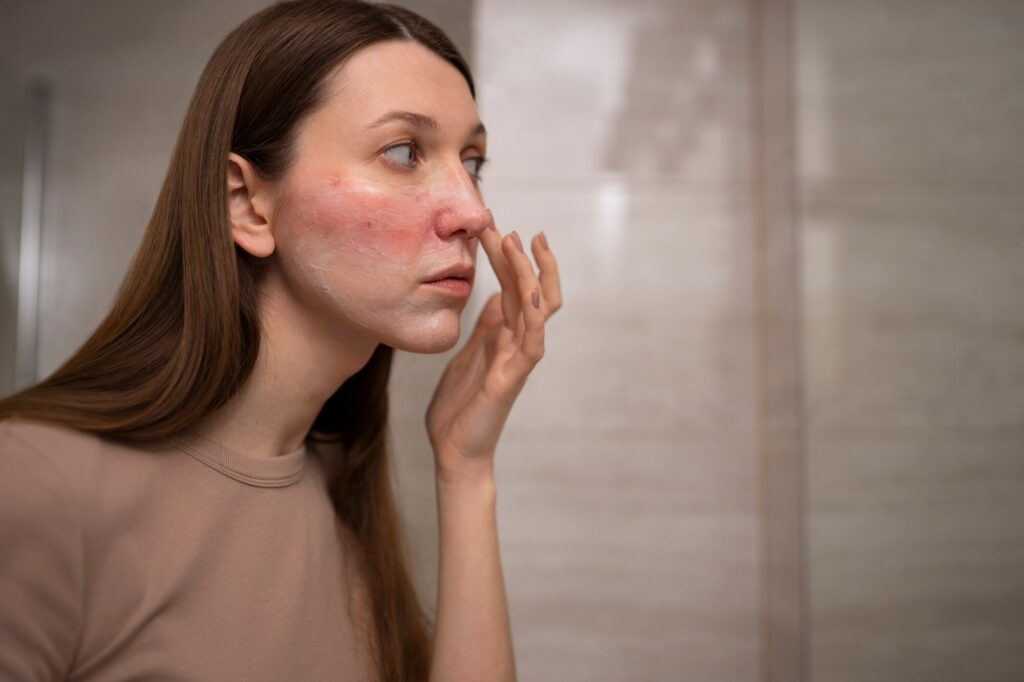
Before discussing how to remove facial redness effectively, it’s important to understand what may be causing it. Facial redness is not a condition in itself but rather a symptom that may result from a variety of underlying factors. One of the most common culprits is rosacea, a chronic inflammatory skin condition characterised by visible blood vessels, flushing and in some cases, acne-like bumps.
Other causes include allergic reactions, eczema, psoriasis, contact dermatitis, and seborrheic dermatitis. External factors such as sunburn, windburn, alcohol consumption, spicy foods, hot beverages, stress, and extreme temperatures can also contribute to facial redness. Moreover, sensitive or reactive skin types are more prone to flare-ups triggered by harsh skincare products or environmental aggressors.
Identifying the root cause of the redness is the first step in choosing the most suitable method for treatment and prevention.
Gentle Skincare Routine
Establishing a gentle, consistent skincare routine is crucial when dealing with facial redness. Harsh exfoliants, alcohol-based products, and highly fragranced creams can worsen irritation and damage the skin’s protective barrier. Instead, it’s advisable to opt for calming formulations specifically designed for sensitive or redness-prone skin.
Look for products that include soothing ingredients such as aloe vera, chamomile, colloidal oatmeal, panthenol, and niacinamide. These compounds can help reduce inflammation, support skin repair, and strengthen the moisture barrier, which is essential for preventing further irritation.
Cleansing should be done twice daily using a mild, non-foaming cleanser that does not strip the skin of its natural oils. After cleansing, a hydrating toner or mist can refresh the skin without causing irritation. Moisturising is also key – even oily or combination skin types benefit from a lightweight, non-comedogenic moisturiser that locks in hydration and prevents moisture loss.
The Importance of Sun Protection
Sun exposure is one of the most common triggers for facial redness, especially for those with rosacea or sensitive skin. Ultraviolet rays can dilate blood vessels, increase inflammation, and exacerbate existing redness. Therefore, applying a broad-spectrum sunscreen with SPF 30 or higher every morning is essential, even on cloudy days or during winter months.
Physical sunscreens containing zinc oxide or titanium dioxide are often better tolerated by sensitive skin compared to chemical formulations. They offer effective protection while minimising the risk of allergic reactions or irritation.
Anti-Redness Ingredients That Actually Work
For those seeking targeted treatments, several active ingredients have been clinically proven to reduce redness and soothe irritated skin. Azelaic acid, often used to treat rosacea, helps reduce inflammation, decrease redness, and prevent clogged pores. It’s gentle enough for most skin types and is available in both prescription and over-the-counter formulations.
Niacinamide, or vitamin B3, is another powerful yet gentle ingredient that improves the skin’s barrier function, evens out skin tone, and calms inflammation. It is widely found in serums, moisturisers, and even cleansers aimed at calming the skin.
Green tea extract is rich in antioxidants and has anti-inflammatory properties that can benefit redness-prone skin. Similarly, licorice root extract is known for its skin-brightening and anti-inflammatory effects, making it a good addition to a redness-reducing routine.
Professional Treatments for Stubborn Redness
In some cases, topical treatments and at-home care may not be enough to fully address facial redness, especially when caused by persistent conditions such as rosacea or broken capillaries. In such instances, professional treatments performed by dermatologists or licensed aestheticians may be more effective.
Laser therapy, particularly pulsed dye laser (PDL) or intense pulsed light (IPL), can target visible blood vessels and reduce redness over a series of treatments. These non-invasive procedures work by gently heating the skin and causing the dilated vessels to collapse, resulting in a more even complexion.
Chemical peels using mild acids such as lactic or mandelic acid can also help by removing dead skin cells and improving skin texture without causing excessive irritation. However, these treatments should only be performed under the guidance of a qualified professional, especially for individuals with highly sensitive skin.
Lifestyle Adjustments That Make a Difference
Diet and lifestyle also play a significant role in managing and preventing facial redness. Certain foods and beverages, such as spicy dishes, alcohol, and hot drinks, can trigger flushing in many individuals. Keeping a food diary and noting any patterns may help identify specific triggers that contribute to redness.
Stress is another important factor. Psychological stress can cause the release of inflammatory hormones that lead to flushing and irritation. Incorporating relaxation techniques such as yoga, meditation, or breathing exercises into your daily routine can help manage stress levels and reduce flare-ups.
Maintaining a cool and humid indoor environment, especially during winter months when heating systems dry out the air, can also protect sensitive skin and prevent redness. Using a humidifier and avoiding excessively hot showers may be small changes, but they often yield noticeable improvements.
Choosing the Right Makeup for Redness-Prone Skin
While treating facial redness at its source is important, there are also cosmetic options that can help conceal it in the meantime. Makeup products designed for sensitive skin and those containing green pigments can neutralise redness effectively.
Opt for foundations and concealers labelled as non-comedogenic and fragrance-free. Mineral-based makeup is often a safe choice for those with reactive skin, as it tends to include fewer irritating ingredients.
Always apply makeup over well-moisturised skin, and remember to remove it gently at the end of the day using a non-irritating cleanser to avoid clogging pores or exacerbating redness.
When to See a Dermatologist
If facial redness persists despite consistent at-home care or worsens over time, it may be time to seek professional help. A dermatologist can provide a proper diagnosis, determine the underlying cause, and recommend appropriate treatment, whether that involves prescription medication, laser therapy, or changes to your skincare regimen.
Persistent redness may be a sign of rosacea, lupus, seborrheic dermatitis, or even an allergic reaction. Early intervention often leads to better outcomes, so don’t hesitate to consult a specialist if you’re concerned about changes in your skin.
Removing facial redness is a process that requires patience, consistency, and a tailored approach. By understanding the root causes, adopting a gentle skincare routine, incorporating soothing ingredients, protecting the skin from environmental triggers, and making lifestyle adjustments, you can significantly reduce redness and achieve a calmer, clearer complexion.
Whether you’re dealing with temporary irritation or chronic sensitivity, the key lies in respecting your skin’s natural balance and treating it with the care it deserves. If needed, professional guidance can provide further support on your journey to healthy, radiant skin.
Skin by Kasia
Find your treatment and make your face look beautiful!
Make an appointment for a treatment or contact us for a consultation and selection of the appropriate treatment!