The Rise of Regenerative Aesthetics
What Is Mesotherapy?
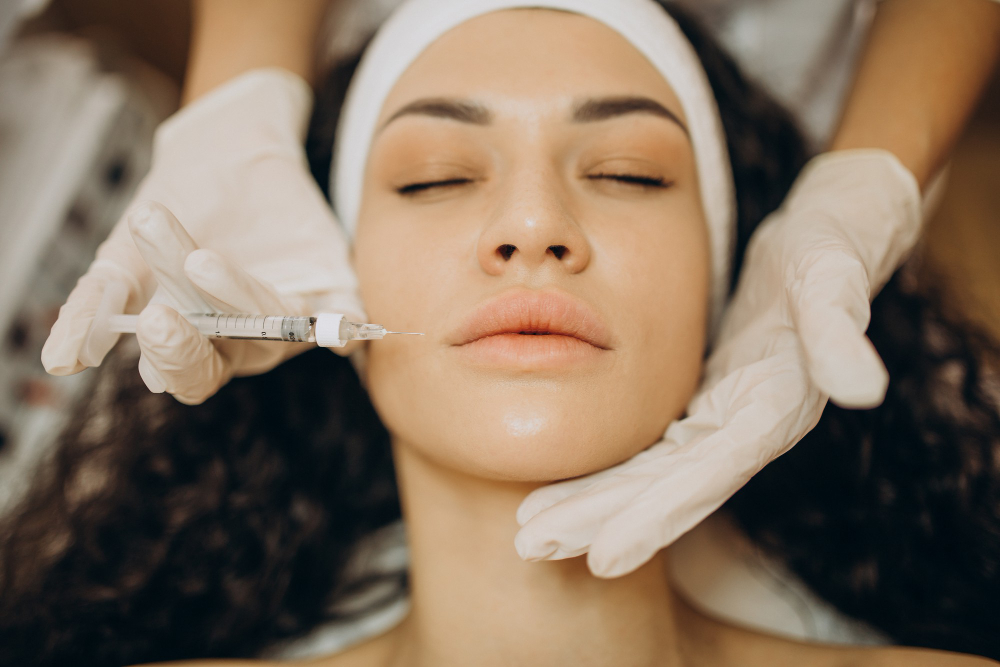
Mesotherapy originated in France in the 1950s and was initially used to treat vascular and lymphatic conditions. In the context of aesthetic dermatology, it refers to a technique where microinjections deliver a cocktail of vitamins, enzymes, amino acids, hyaluronic acid, and other active substances into the middle layer of the skin (mesoderm).
The idea is to nourish and rejuvenate the skin, stimulate collagen and elastin production, and improve blood circulation. The treatment can also help break down fat deposits and improve lymphatic drainage, making it popular not only for the face but also for body contouring applications.
Mesotherapy is typically used for:
- Improving hydration and glow
- Enhancing skin texture and elasticity
- Treating fine lines and superficial wrinkles
- Addressing mild pigmentation issues
- Managing early signs of ageing
What Are Tissue Stimulators?
Tissue stimulators, sometimes referred to as biostimulators, are injectable treatments designed to stimulate the body’s own regenerative processes. Unlike mesotherapy, which delivers active ingredients to nourish the skin directly, tissue stimulators work by encouraging fibroblasts to produce more collagen, elastin, and other structural components over time.
They are typically composed of substances like poly-L-lactic acid (PLLA), calcium hydroxylapatite (CaHA), or newer forms of cross-linked hyaluronic acid with stimulatory properties. These materials act as scaffolding within the skin, prompting long-term remodelling.
Tissue stimulators are often chosen for:
- Deeper facial volumisation
- Lifting sagging skin
- Rebuilding structure in areas such as the cheeks or jawline
- Long-term improvement of skin density and elasticity
- Mature or severely sun-damaged skin
One of the key advantages of tissue stimulators is the longevity of results. While initial improvements may take weeks to appear as collagen remodelling occurs, the effects can last for up to 18–24 months depending on the product and area treated.
Mechanisms of Action – How They Work Differently
Though both treatments are injected into the skin, their mechanisms are fundamentally different.
Mesotherapy works directly by infusing skin with a blend of hydrating and nourishing substances. The goal is immediate improvement in skin texture, luminosity, and moisture levels. It’s like delivering a high-potency serum directly where it’s needed most. There is also a mechanical stimulation from the needle that mildly triggers healing processes.
Tissue stimulators, by contrast, work indirectly. They don’t rely on delivering vitamins or hyaluronic acid alone – instead, they stimulate the skin to repair and regenerate itself over time. Think of them as planting the seeds of regeneration, where the full bloom takes time to appear.
Treatment Frequency and Results Timeline
Another major distinction lies in how frequently the treatments need to be repeated. Mesotherapy usually requires a course of several sessions – typically one every two weeks for a couple of months, followed by maintenance every few months. The results are usually visible shortly after the treatment, but they are more subtle and tend to fade quicker than those from tissue stimulators.
Tissue stimulators, on the other hand, often require fewer sessions. Some products need just two treatments spaced several weeks apart, with results continuing to improve over the following months. Because they work on a deeper level, the results are more durable and pronounced but take longer to emerge.
Ideal Candidates – Who Should Choose What?
Mesotherapy is ideal for younger individuals or those with early signs of ageing who want to boost hydration, radiance, and skin quality. It’s also an excellent “lunchtime” procedure before events or holidays. People who don’t want downtime or who prefer subtle, ongoing improvements may find mesotherapy to be the perfect option.
Tissue stimulators are better suited for those seeking structural improvement, skin tightening, or correction of moderate volume loss. It is especially effective in individuals over 35 who are beginning to notice facial sagging or loss of firmness.
Both treatments can also be combined strategically for layered rejuvenation. For instance, one might start with tissue stimulators to rebuild the skin’s foundation, then use mesotherapy for surface hydration and glow.
Safety and Side Effects
Both mesotherapy and tissue stimulators are considered safe when performed by a trained practitioner. The most common side effects for both include minor redness, swelling, or bruising at the injection sites. However, since tissue stimulators involve deeper injections and longer-lasting materials, there is a slightly higher risk of nodule formation or unevenness if improperly administered.
Mesotherapy, using more superficial injections and natural substances, generally carries a very low risk of complications. That said, allergic reactions are possible depending on the cocktail used, so patch testing or consultation is essential.
Cost Considerations
Mesotherapy and tissue stimulators are not in competition with each other – rather, they serve different purposes and can complement one another beautifully. Choosing the right treatment depends on your individual goals, skin condition, age, and lifestyle. If you’re after instant radiance and hydration with minimal downtime, mesotherapy is likely to be your best friend. If you’re more concerned with long-term structural rejuvenation and visible lifting, tissue stimulators might be the smarter investment.
As with any cosmetic procedure, consultation with a qualified aesthetic professional is key. They can assess your skin, listen to your concerns, and create a bespoke plan that aligns with your vision – whether that includes mesotherapy, tissue stimulators, or a combination of both.
Skin by Kasia
Find your treatment and make your face look beautiful!
Make an appointment for a treatment or contact us for a consultation and selection of the appropriate treatment!