
Pigmentation, Sun Damage, Melasma, Age Spots

Pigmentation and Sun Damage
Pigmentation disorders occur when the skin produces too much or too little melanin, the pigment responsible for skin colour. Sun damage is a leading external factor that triggers uneven pigmentation, creating areas of discolouration on exposed skin.
One of the most significant external contributors to pigmentation irregularities is sun damage. Prolonged or repeated exposure to UV rays can overstimulate melanocytes (the cells responsible for producing melanin), triggering an excess concentration of pigment in certain areas. Over time, this results in visible areas of discolouration, such as sun spots, freckles, or blotchy patches – particularly on parts of the body that are most frequently exposed to sunlight, including the face, neck, chest, shoulders, and hands.
CAUSE:
- Prolonged sun exposure, leading to overproduction of melanin
- UV radiation, damaging skin cells and melanocytes
- Lack of sun protection, especially over many years
- Skin ageing, making skin more prone to visible changes
SYMPTOMS:
- Freckles, sun spots, or blotchy skin tone
- Flat brown or dark patches, often on the face, shoulders, chest, and hands
- Dry, rough texture and dull complexion
- May appear gradually and worsen over time
- Not painful, but may be cosmetically concerning
Melasma
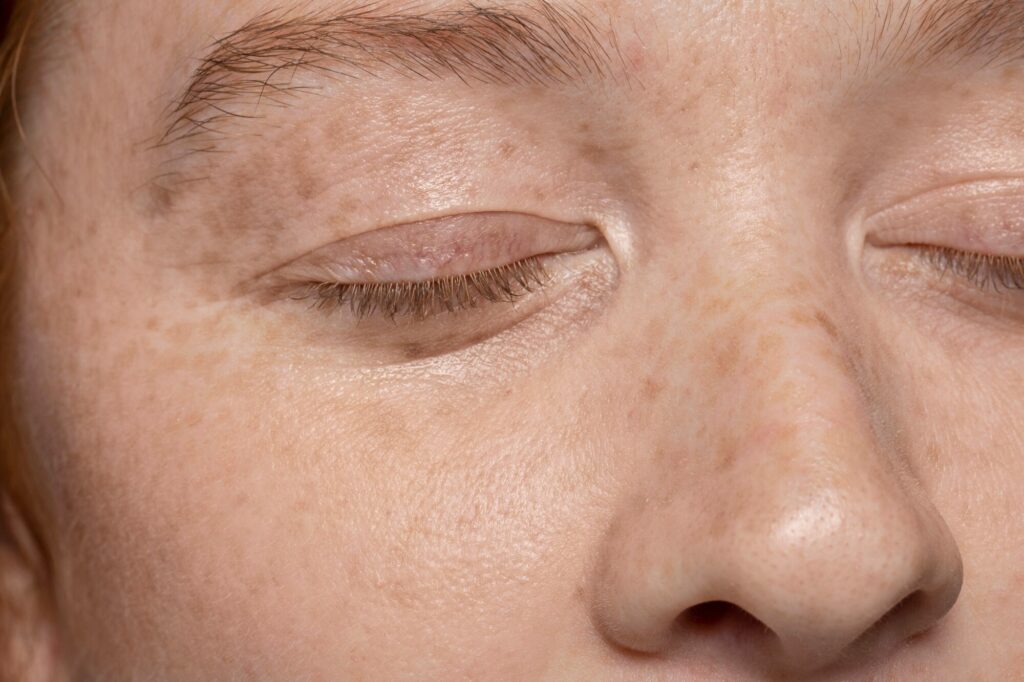
Melasma is a complex and chronic skin condition that presents as symmetrical, blotchy patches of brown or grey-brown pigmentation, typically appearing on areas of the face such as the cheeks, forehead, upper lip, and chin. These patches result from an overproduction of melanin, the natural pigment responsible for skin colour, by melanocytes located in the outermost layer of the skin. While the condition does not pose any medical danger, it often causes emotional distress and reduced self-confidence, prompting many individuals to seek effective melasma treatment.
The underlying cause of melasma is multifactorial. One of the most significant triggers is sun exposure. Ultraviolet (UV) rays stimulate the melanocytes, exacerbating pigment production and darkening existing patches. Hormonal fluctuations are another major contributor. Melasma frequently develops during pregnancy, which is why it is sometimes referred to as the “mask of pregnancy.” It may also arise in connection with the use of oral contraceptives or hormone replacement therapy. This explains why the condition is considerably more common in women, particularly those of childbearing age. Additionally, certain skincare products, stress, and even genetic predisposition can influence its development and persistence.
Individuals with medium to darker skin tones are particularly prone to melasma. This includes people of Latin American, Asian, Middle Eastern, and Mediterranean descent, who tend to have more active melanocytes. In these skin types, melanin is more easily stimulated, making it more likely for pigmentation disorders such as melasma to occur and more challenging to treat effectively. That is why any melasma treatment must be carefully adapted to the patient’s skin type and underlying triggers to achieve meaningful results without causing irritation or post-inflammatory hyperpigmentation.
Modern melasma treatment approaches are highly individualised and aim to reduce the appearance of pigmentation while preventing future flare-ups. Professional dermatological treatments often begin with a comprehensive consultation to assess the depth and distribution of pigmentation. Treatments such as microneedling, chemical peels, or laser therapy may be recommended depending on the severity and pattern of the condition. Microneedling, for instance, can support skin regeneration and help active ingredients penetrate more deeply, targeting the pigmented layers of the skin while stimulating collagen production.

One of the most effective strategies in treating melasma involves combining in-clinic procedures with specially formulated skincare containing depigmenting agents. Ingredients such as tranexamic acid, kojic acid, azelaic acid, and niacinamide are frequently used to reduce melanin synthesis and brighten existing dark patches. These products, when used consistently under the guidance of a skincare professional, can significantly improve skin tone and clarity. At the same time, strict sun protection is absolutely essential. Daily application of broad-spectrum sunscreen with a high SPF is non-negotiable in any melasma treatment plan, as even minimal sun exposure can reverse weeks or months of progress.
Patients should be aware that treating melasma requires patience and consistency. Because the condition is chronic and prone to recurrence, long-term management is often necessary. Rather than expecting instant results, clients should focus on gradual improvement and prevention of new pigmentation. The goal is not just to fade existing melasma but to keep it from returning through a combination of lifestyle changes, skincare routines, and professional support.
Melasma is a persistent but manageable skin condition that affects millions of people worldwide, particularly women with medium to dark skin tones. With the right melasma treatment strategy, encompassing clinical procedures, targeted skincare, and diligent sun protection, it is possible to achieve clearer, more even-toned skin and restore confidence. Whether you’re in the early stages of melasma or have been struggling with it for years, expert guidance and a tailored plan can make a significant difference in your skin’s appearance and overall health.
CAUSE:
- Hormonal changes, such as pregnancy, oral contraceptives or HRT
- Sun exposure, which triggers melanin overproduction
- Genetic predisposition, including family history
- Certain medications or cosmetics that increase photosensitivity
SYMPTOMS:
- Patches of discolouration on the cheeks, forehead, nose, and upper lip
- Flat and symmetrical pigmentation, often darker than the surrounding skin
- Not itchy or painful, but often emotionally distressing
- Can worsen with sun exposure or hormonal fluctuations
Age Spots
Age spots, also known as liver spots or solar lentigines, are flat, pigmented marks that appear on the skin as a result of ageing and cumulative sun exposure. Though harmless, they are a visible sign of photodamage.
Contrary to the name “liver spots,” these marks have no connection to liver function or liver health. The term is historical and based solely on their colouration. Age spots are most common in individuals over the age of 40, though they can appear earlier, especially in people with fair skin or those with a history of extensive sun exposure or tanning.
CAUSE:
- UV radiation, which stimulates melanin production over time
- Ageing, especially after 40, when skin cell turnover slows
- Lack of consistent sun protection
- Tanning beds, which accelerate pigment changes
SYMPTOMS:
- Flat, brown or black spots, typically on sun-exposed areas like the hands, face, arms, and shoulders
- Round or oval in shape, and vary in size
- Typically painless and benign
- Sometimes mistaken for moles or more serious skin conditions
- Do not fade in winter like freckles - they remain visible year-round