What is radiofrequency in cosmetology?
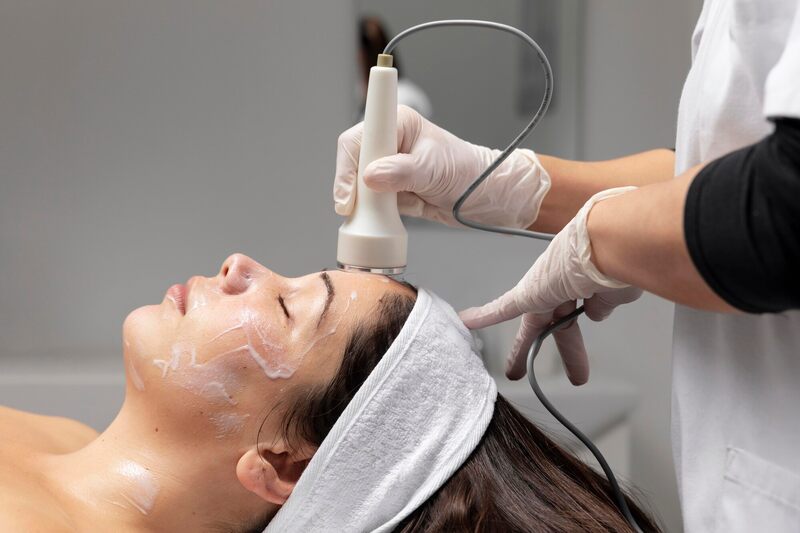
Radiofrequency in cosmetology refers to the use of electromagnetic energy to treat various skin conditions and improve skin appearance. It involves the application of high-frequency electrical currents that penetrate deep into the skin’s layers, stimulating collagen production, tightening the skin, and improving overall skin tone and texture. Unlike other cosmetic treatments, radiofrequency uses non-invasive energy, meaning it does not require any incisions or injections.
RF devices emit radio waves that are absorbed by the deeper layers of the skin, specifically targeting the dermis, where collagen fibers are present. The heat generated by these radio waves causes the collagen fibers to contract, which leads to the tightening of the skin. Additionally, the treatment triggers the body’s natural healing process, promoting the production of new collagen and elastin fibers, which are essential for youthful, firm skin.
Radiofrequency treatments can be performed on various areas of the body, including the face, neck, abdomen, arms, and thighs, making it a versatile option for many aesthetic concerns.
How does radiofrequency work?
Radiofrequency works by using the principles of electrical energy to generate heat within the skin. When RF energy is applied to the skin, the high-frequency waves penetrate the surface and travel deep into the dermis and subcutaneous layers. The heat produced by this energy causes the collagen fibers to contract, leading to immediate skin tightening.
As the body continues to respond to the heat, it activates its natural repair mechanisms, stimulating the production of new collagen and elastin. Collagen is a protein that provides structure, strength, and elasticity to the skin, while elastin helps the skin maintain its flexibility. As the body produces more of these essential proteins, the skin becomes firmer, smoother, and more youthful in appearance.
Radiofrequency treatments typically involve a series of sessions to achieve the best results. The process is generally safe and does not require downtime, making it a popular choice for individuals looking for a quick and effective cosmetic solution.
Types of radiofrequency devices
There are several types of radiofrequency devices used in cosmetology, each with varying levels of energy and techniques for application. Some of the most common RF devices include monopolar, bipolar, and multipolar systems. These systems differ in terms of the number of electrodes used, the depth of penetration, and the method of energy delivery.
Monopolar radiofrequency involves a single electrode that emits energy to target deep layers of the skin. The energy passes through the skin, and a grounding pad is placed on the body to complete the circuit. This type of RF treatment is often used for facial skin tightening and body contouring, as it can penetrate deeply into the dermis and stimulate collagen production.
Bipolar radiofrequency uses two electrodes to deliver energy to the skin. The energy is more focused and concentrated between the two electrodes, which allows for a more controlled treatment. This type of RF device is commonly used for smaller treatment areas, such as the under-eye area, around the mouth, or on areas with more delicate skin.
Multipolar radiofrequency is a combination of multiple electrodes that work together to deliver energy across a wider area of the skin. This technology is used for larger treatment areas, such as the abdomen, thighs, and arms. Multipolar RF devices are known for their ability to provide a more even and uniform treatment, making them ideal for body contouring and skin tightening.
Benefits of radiofrequency in cosmetology
One of the most significant advantages of radiofrequency treatments is that they are non-invasive. This means that there is no need for surgery, needles, or incisions, making RF treatments a safer and more convenient option for those seeking cosmetic improvements without the risks and recovery time associated with traditional procedures.
RF treatments are also highly versatile and can address a wide range of skin concerns. For example, radiofrequency can be used to tighten loose or sagging skin, reduce the appearance of wrinkles and fine lines, treat cellulite, and even contour the body by reducing fat deposits. The ability to target various skin issues with a single treatment makes RF technology an appealing option for individuals looking for comprehensive skin care.
Additionally, radiofrequency treatments are relatively painless, with most patients reporting only a mild warming sensation during the procedure. The treatments are generally well-tolerated, and any side effects, such as redness or swelling, are typically temporary and resolve within a few hours to a few days.
Another key benefit of radiofrequency is that it stimulates the body’s natural collagen production. As we age, our skin’s collagen and elastin fibers break down, leading to wrinkles, sagging skin, and a loss of firmness. RF treatments can help reverse these signs of aging by encouraging the body to produce more collagen and elastin, ultimately leading to firmer, more youthful skin.
Radiofrequency applications in cosmetology
There are several applications of radiofrequency technology in cosmetology, with different treatment options available to address specific concerns. Some of the most popular RF treatments include:
- Skin Tightening and Lifting: Radiofrequency is often used to tighten loose skin, particularly on the face, neck, and jawline. By stimulating collagen production and tightening the skin, RF treatments help restore a firmer, more youthful appearance. This treatment is especially beneficial for individuals experiencing the early signs of aging or those who have noticed sagging skin due to weight loss or pregnancy.
- Wrinkle Reduction: RF technology is effective in reducing the appearance of fine lines and wrinkles by stimulating collagen and elastin production. This treatment can be used on various parts of the face, including the forehead, around the eyes, and on the cheeks. Regular RF treatments can lead to smoother, more youthful-looking skin.
- Cellulite Treatment: Radiofrequency can also be used to treat cellulite by improving circulation and stimulating the breakdown of fat cells. The heat generated during the treatment encourages the production of collagen in the deeper layers of the skin, which helps smooth out the appearance of dimpled skin caused by cellulite.
- Body Contouring: RF treatments are commonly used for body contouring, helping to reduce stubborn fat pockets and shape areas such as the abdomen, thighs, and arms. By targeting and breaking down fat cells, radiofrequency can help improve body shape and reduce the appearance of fatty deposits.
- Skin Rejuvenation: RF can improve overall skin tone and texture by promoting the growth of new skin cells. It is an effective treatment for individuals who want to address uneven skin tone, sun damage, or other skin imperfections.
Safety and side effects
Radiofrequency treatments are generally considered safe when performed by a trained professional. However, like any cosmetic procedure, there are potential risks and side effects to be aware of. Common side effects include redness, swelling, and a mild sensation of heat during the procedure. These side effects are typically temporary and subside within a few hours to a day.
It is important to consult with a licensed practitioner before undergoing RF treatments to ensure that you are a suitable candidate for the procedure. Individuals with certain conditions, such as active infections, open wounds, or severe skin conditions, may not be ideal candidates for radiofrequency treatments.
Skin by Kasia
Find your treatment and make your face look beautiful!
Make an appointment for a treatment or contact us for a consultation and selection of the appropriate treatment!