
Rosacea
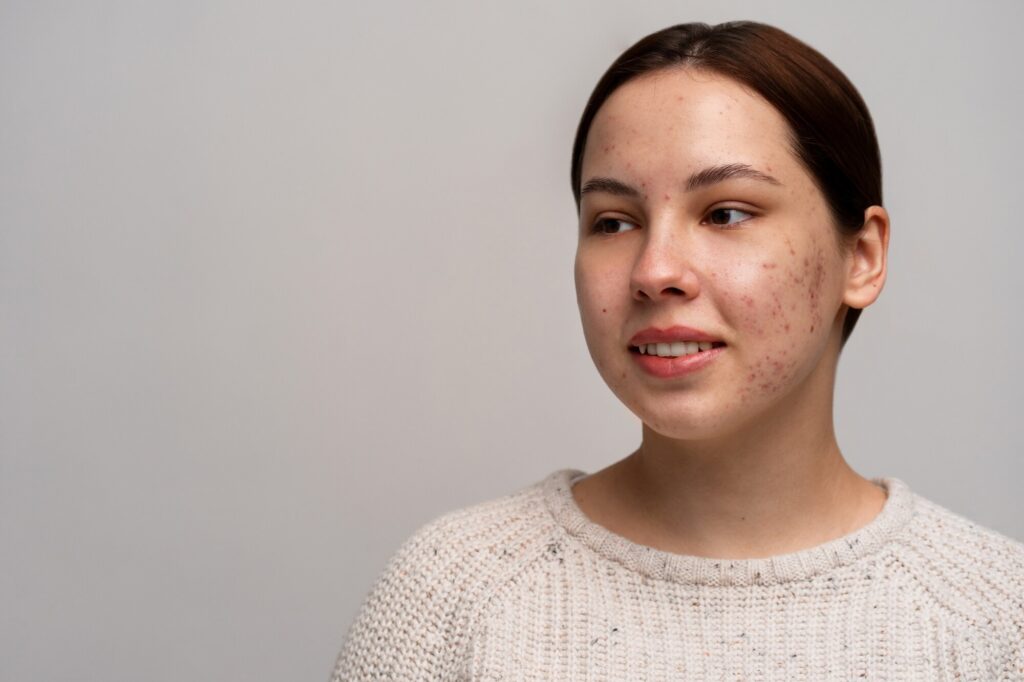
Rosacea is a long-term, chronic skin condition that primarily affects the central areas of the face, especially the cheeks, nose, forehead, and chin. It is characterised by persistent redness, visible blood vessels (telangiectasia), and inflammatory lesions such as papules and pustules. Unlike acne, rosacea is not caused by blocked pores or bacteria, although the two conditions can sometimes appear similar.
Rosacea develops gradually and may go through cycles of flare-ups and remission. While it is most common in fair-skinned individuals aged 30 to 60, particularly women, men often experience more severe symptoms when affected. Although the exact cause is not fully understood, it is believed to involve a combination of genetic, vascular, inflammatory, and environmental factors.
CAUSE:
- Abnormalities in facial blood vessels, leading to flushing and visible veins
- Genetic predisposition, often affecting people with Celtic or Northern European ancestry
- Overactive immune response, causing chronic inflammation
- Demodex mites, which are naturally present on the skin, may be found in higher numbers in rosacea patients
- Gut bacteria, such as Helicobacter pylori, have been suggested as potential triggers
- Environmental triggers, including temperature extremes, sun exposure, hot drinks, spicy food, alcohol, and emotional stress
SYMPTOMS:
- Persistent redness (erythema) on the central face
- Flushing - sudden and intense facial warmth and redness
- Visible blood vessels (telangiectasia), often on the cheeks and nose
- Papules and pustules, similar to acne but without comedones
- Burning or stinging sensations in the skin
- Thickening of the skin, particularly on the nose (in advanced cases)
- Eye irritation, such as dryness, itching, or the sensation of having something in the eye (ocular rosacea)
MORE ABOUT ROSACEA TREATMENT
Rosacea is a chronic, inflammatory skin condition that typically affects the central part of the face, including the cheeks, nose, chin, and forehead. It is most commonly recognised by persistent redness, visible capillaries (telangiectasia), and episodes of inflammation that may present as red bumps, papules, and pustules. Although these lesions can resemble acne, rosacea is fundamentally different, it is not caused by clogged pores or bacterial infections. This distinction is important when considering an appropriate rosacea treatment plan, as traditional acne treatments may worsen symptoms if not adapted to the condition’s unique characteristics.
The development of rosacea is gradual and often follows a cyclical pattern of flare-ups and remissions. Flare-ups may be triggered by a range of internal and external factors, including extreme temperatures, sun exposure, spicy foods, alcohol, stress, and certain skincare products. Each person’s triggers may vary, which is why personalised rosacea treatment is essential for effective management. Although the condition is most prevalent among fair-skinned individuals between the ages of 30 and 60-especially women-men who develop rosacea often experience more intense and persistent symptoms, including thickening of the skin around the nose, a condition known as rhinophyma.
The exact cause of rosacea remains partially understood, but current research suggests it is multifactorial. Genetics, vascular instability, immune system irregularities, and environmental influences all seem to play a role in triggering the condition. It is also associated with an increased presence of certain skin mites (such as Demodex folliculorum) and inflammatory responses that cause the facial blood vessels to dilate more easily. These underlying processes contribute to the persistent redness and inflammatory symptoms characteristic of rosacea.
An effective rosacea treatment must therefore go beyond surface-level solutions. At Skin by Kasia, the approach begins with a thorough skin analysis to determine the type and severity of rosacea. Treatment plans are designed to reduce inflammation, strengthen the skin barrier, and minimise triggers that worsen the condition. In-clinic options may include gentle chemical peels using anti-inflammatory ingredients, LED light therapy to calm redness and improve skin healing, and specially formulated products that reduce skin sensitivity while restoring hydration. These treatments help manage visible symptoms without causing additional irritation, which is crucial for rosacea-prone skin.
Daily skincare is equally important in the long-term management of rosacea. Patients are advised to use gentle, non-irritating products that support the skin’s natural defences. Ingredients such as niacinamide, azelaic acid, and hyaluronic acid are often recommended for their soothing and barrier-repairing properties. Broad-spectrum sunscreen with high SPF is also a vital part of any rosacea treatment, as UV exposure is a well-known trigger for flare-ups. Avoiding alcohol-based products, abrasive scrubs, and fragrances can help reduce the risk of exacerbating the condition.
It’s important to remember that while rosacea cannot be completely cured, it can be effectively controlled. With the right professional guidance, patients can achieve noticeable improvement in redness, inflammation, and skin comfort. Consistency in skincare and proactive management of triggers are key components of any successful treatment plan. For clients who experience persistent redness and vascular visibility, advanced technologies such as vascular laser or IPL (intense pulsed light) may be discussed as part of a comprehensive rosacea care strategy.
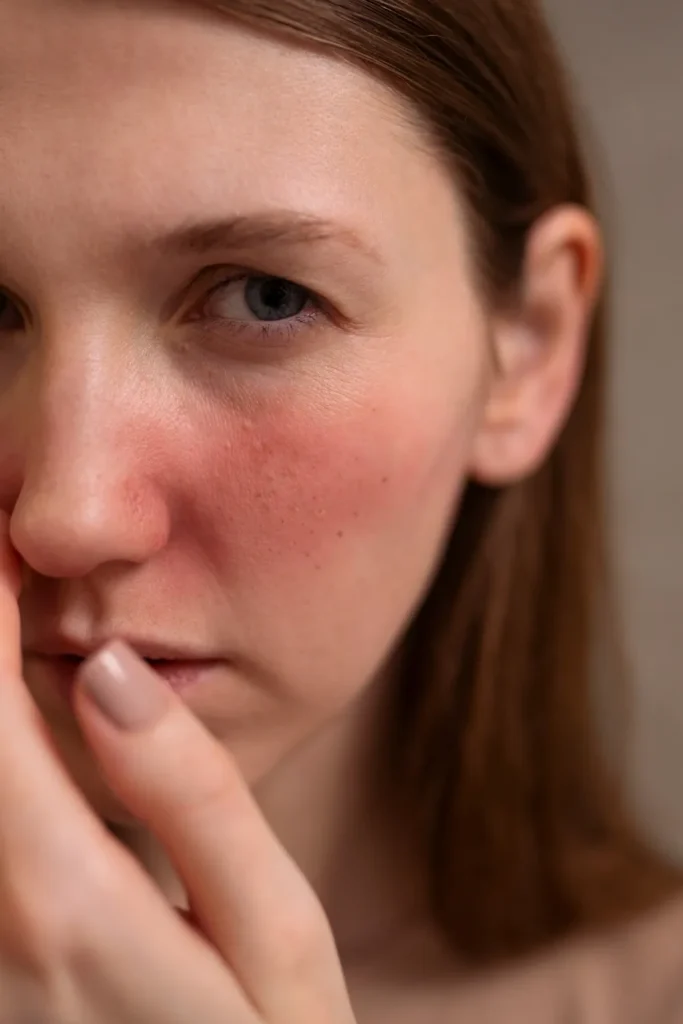
At Skin by Kasia, each client receives a tailored plan to address their unique skin needs, whether they are in the early stages of rosacea or seeking relief after years of dealing with flare-ups. We understand the physical discomfort and emotional toll this condition can cause, which is why our approach focuses not only on symptom reduction, but also on improving overall skin health and resilience.
If you are struggling with persistent facial redness, visible veins, or recurring inflammation, don’t dismiss it as simple sensitivity or adult acne. These may be signs of rosacea, and seeking professional evaluation is the first step towards effective rosacea treatment. With the right care, you can reduce flare-ups, restore balance to your skin, and regain the confidence that comes with a calm, even complexion.