- The Science Behind Lifting Threads
- The Popular Choice for First-Timers
- For Longer-Lasting and Intensive Results
- Ideal Treatment Areas and Customisation Possibilities
- Combining Thread Lifts with Other Aesthetic Treatments
- Safety, Recovery, and Considerations Before the Procedure
- Who is an Ideal Candidate for a Thread Lift?
The Science Behind Lifting Threads
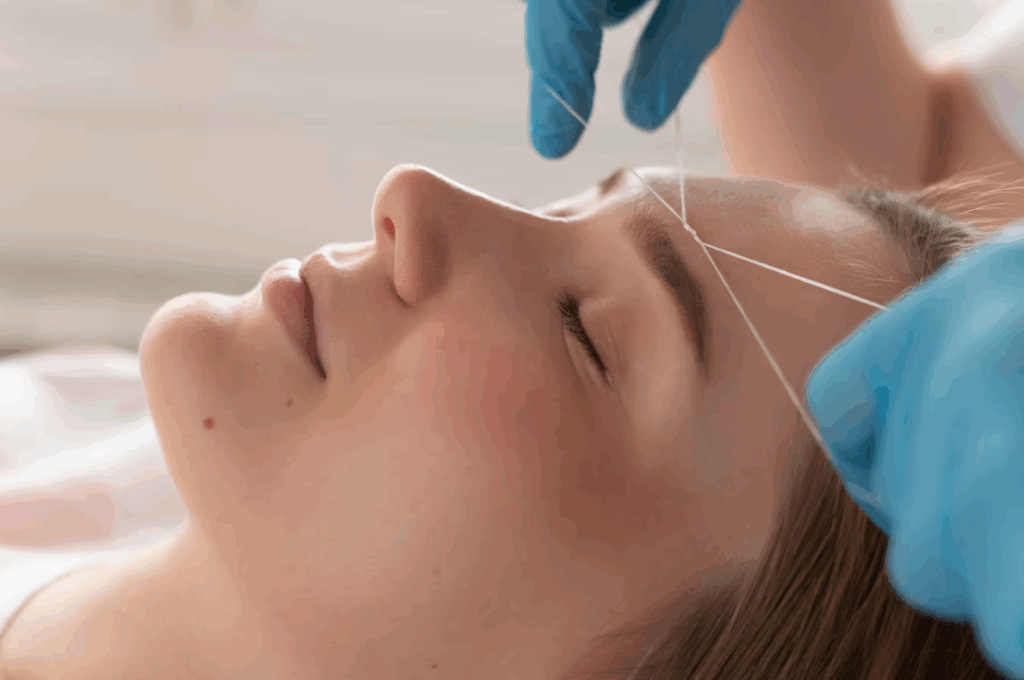
Lifting threads work on a dual mechanism – physical support and biological stimulation. Once inserted beneath the skin using a thin cannula, the threads provide an immediate mechanical lift by repositioning sagging tissues. Over the following weeks and months, the body naturally absorbs the threads, during which time the material stimulates collagen and elastin synthesis. This ongoing regeneration enhances skin firmness, elasticity and hydration, leading to longer-lasting results compared to many topical treatments or injectables.
The entire procedure is typically performed under local anaesthesia and lasts between 30 minutes to an hour, depending on the number of threads used and the treatment area. Recovery is quick, most people return to work within a day or two, experiencing only minor swelling or bruising that subsides within a week. As such, thread lifts are ideal for individuals looking for low-risk, high-reward treatments that can subtly turn back the clock.
The Popular Choice for First-Timers
PDO (Polydioxanone) threads are among the most commonly used due to their safety, affordability and versatility. Originally developed for surgical sutures, PDO threads have a long-standing track record in medicine. These threads begin to dissolve around the 6-month mark, with results lasting up to a year, depending on the individual’s skin quality and lifestyle. They are particularly effective in areas that require gentle lifting, such as the cheeks, jawline, and nasolabial folds.
PDO threads come in various forms – mono threads for skin tightening, screw threads for volume restoration, and barbed threads for lifting. Each design serves a specific purpose, enabling practitioners to customise treatment plans to individual facial anatomy. Because they are absorbed relatively quickly and provide a mild collagen boost, PDO threads are often recommended for younger patients in their late 30s to early 40s or those looking for preventative care.
For Longer-Lasting and Intensive Results
As aesthetic needs become more complex with age, longer-lasting threads may be required. PLLA (Poly-L-Lactic Acid) threads not only offer lifting effects but also stimulate a more profound collagen response. They are known for improving skin thickness and are ideal for patients with more advanced signs of ageing, such as sagging cheeks or pronounced jawline laxity. Results from PLLA threads can last up to 18 months and often improve gradually over time as the collagen matrix rebuilds beneath the skin.
PCL (Polycaprolactone) threads represent the longest-lasting and most durable option available, often delivering results that persist for up to 24 months. These threads degrade very slowly, making them suitable for deeper facial folds and for individuals looking for longer-term structural lifting. Because of their longevity and regenerative properties, PCL threads are generally more expensive, but they also provide the most pronounced anti-ageing benefits when used correctly.
Ideal Treatment Areas and Customisation Possibilities
One of the most appealing aspects of lifting threads is their versatility across different facial and body areas. In the mid-face region, threads are commonly used to lift sagging cheeks and redefine the cheekbones. In the lower face, they are highly effective at contouring the jawline and reducing the appearance of jowls, a common concern in ageing skin. When applied around the eyebrows, threads can create a non-surgical brow lift that opens up the eye area and gives a more refreshed appearance.
The neck is another popular treatment zone, particularly for addressing crepey or loose skin below the chin. In some advanced cases, practitioners also use threads for non-facial applications, such as lifting sagging skin on the abdomen, knees or arms. While these off-label uses are gaining popularity, they require a high level of expertise and patient selection to ensure safe and satisfactory outcomes.
Combining Thread Lifts with Other Aesthetic Treatments
Lifting threads are frequently used in conjunction with other cosmetic procedures to enhance results. For example, combining thread lifts with dermal fillers can restore lost volume in areas that require more than just lifting. Likewise, skin boosters and biostimulators can be used alongside threads to improve overall skin quality. Many clinics now offer bespoke treatment plans that combine multiple techniques in a single session, providing comprehensive rejuvenation tailored to the individual’s goals.
Laser resurfacing or microneedling treatments can also complement a thread lift, especially if performed several weeks apart. These modalities help improve surface texture and tone, while threads work deeper beneath the skin to lift and firm. It’s important, however, to consult a qualified aesthetic specialist to plan such combinations safely and effectively.
Safety, Recovery, and Considerations Before the Procedure
While lifting threads are generally considered safe, they are not without potential complications. Minor swelling, bruising and temporary skin irregularities are common, but usually subside within a few days. More serious risks, such as infection, asymmetry or thread visibility, are rare when the procedure is performed by a skilled professional.
Before undergoing a thread lift, patients should disclose any medical conditions, allergies or medications that could affect healing. It’s also advisable to avoid alcohol, blood thinners and anti-inflammatory drugs for several days prior to treatment, as these can increase the risk of bruising. Post-procedure, patients are typically advised to avoid strenuous exercise, saunas and excessive facial movement for a few days.
Who is an Ideal Candidate for a Thread Lift?
Skin by Kasia
Find your treatment and make your face look beautiful!
Make an appointment for a treatment or contact us for a consultation and selection of the appropriate treatment!