- Understanding Microneedling
- How Microneedling Works on a Cellular Level
- The Main Benefits of Microneedling
- When Is Microneedling Most Effective?
- Combining Microneedling with Other Treatments
- What to Expect Before, During, and After Treatment
- How Many Sessions Are Needed?
- Who Should Avoid Microneedling?
- Long-Term Results and Expectations
- The Power of Controlled Regeneration
In recent years, microneedling has become one of the most talked-about and sought-after aesthetic treatments in skincare. Praised for its ability to rejuvenate the skin naturally, reduce scars, and enhance overall complexion, it bridges the gap between non-invasive procedures and advanced dermatological therapy. Yet despite its popularity, many people still wonder how it works, what results it can deliver, and when it is truly most effective.
This article explores microneedling in depth, its mechanism, benefits, and potential applications, providing a comprehensive understanding of why this technique is often hailed as a cornerstone of modern skin renewal.
Understanding Microneedling
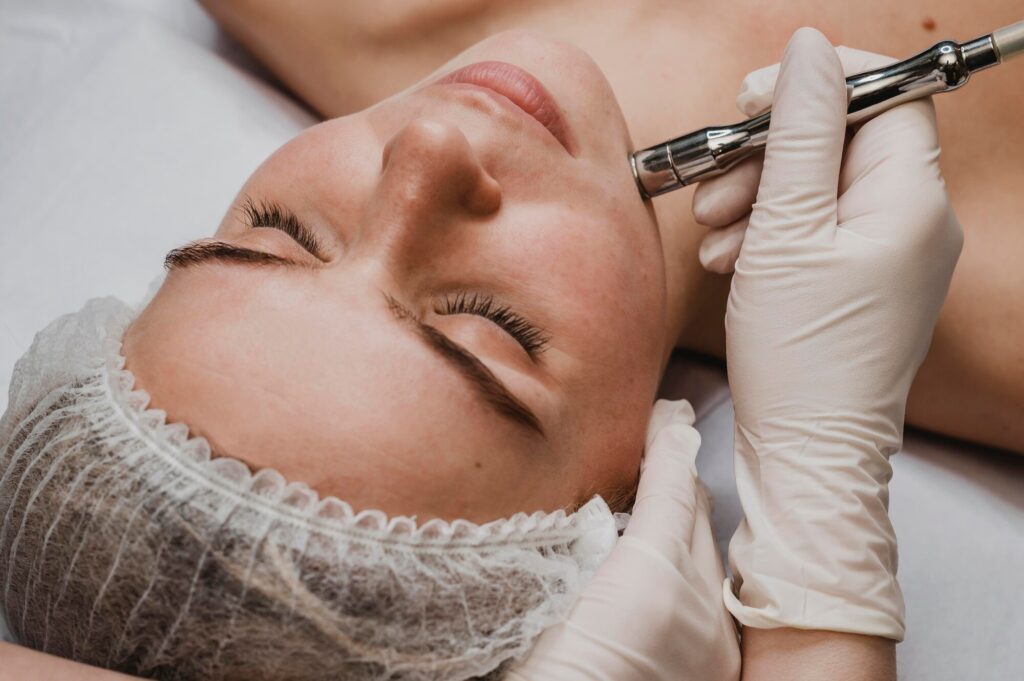
Microneedling, also known as collagen induction therapy, is a minimally invasive procedure that involves using fine, sterile needles to create thousands of microscopic punctures in the skin’s surface. These tiny, controlled injuries stimulate the body’s natural wound-healing processes, prompting the production of collagen and elastin, two essential proteins that keep the skin firm, smooth, and youthful.
The concept is simple yet highly effective: by triggering the skin’s innate ability to repair itself, microneedling helps to restore texture and elasticity without relying on synthetic fillers or extensive downtime. The treatment can be performed by dermatologists, aesthetic practitioners, or under medical supervision using professional-grade devices. At-home microneedling rollers exist, but they differ significantly in needle length, safety, and efficacy compared to professional tools.
The procedure typically lasts 30 to 60 minutes, depending on the treated area, and may involve the application of a topical anaesthetic to minimise discomfort. After the treatment, the skin may appear slightly red or feel warm, a temporary and natural response to the micro-injuries.
How Microneedling Works on a Cellular Level
- Inflammation phase - The body’s immune system increases blood flow to the area, delivering growth factors and white blood cells that clear away damaged tissue and begin the repair process.
- Proliferation phase - New cells, including fibroblasts, begin producing collagen and elastin fibres, filling in microscopic wounds and strengthening the skin structure.
- Remodelling phase - Over time, the newly formed collagen reorganises into a more compact and resilient network, leading to smoother, firmer, and more even-toned skin.
The Main Benefits of Microneedling
Microneedling has earned its reputation as a versatile and effective treatment because it addresses a wide range of skin concerns. From anti-ageing to scar reduction, its benefits are both cosmetic and therapeutic.
Key advantages include:
- Improved skin texture and tone - By stimulating collagen synthesis, microneedling helps smooth rough skin, refine pores, and reduce dullness.
- Reduction of fine lines and wrinkles - The new collagen fills in fine lines, restoring elasticity and firmness to ageing skin. phase - New cells, including fibroblasts, begin producing collagen and elastin fibres, filling in microscopic wounds and strengthening the skin structure.
- Minimisation of scars - It is particularly effective for treating acne scars, surgical scars, and stretch marks by breaking down old fibrous tissue and encouraging new cell growth.
- Enhanced absorption of skincare products - The microchannels created during treatment allow active ingredients such as hyaluronic acid, peptides, or vitamin C to penetrate deeper into the skin.
- Evening out pigmentation - It can improve conditions like melasma, sunspots, and post-inflammatory hyperpigmentation.
When Is Microneedling Most Effective?
1. For Ageing Skin and Fine Lines
2. For Acne Scarring and Post-Inflammatory Marks
3. For Enlarged Pores and Uneven Texture
4. For Pigmentation and Sun Damage
5. For Preventative and Maintenance Care
Even those with relatively healthy skin can benefit from microneedling as a maintenance treatment. It promotes long-term collagen support, helping preserve firmness and slow down the visible effects of ageing. Many dermatologists recommend annual or bi-annual sessions as part of a proactive skincare routine.
Combining Microneedling with Other Treatments
One of the reasons microneedling stands out is its compatibility with other dermatological treatments. It can amplify the results of complementary procedures while remaining gentle on the skin.
Common synergistic approaches include:
- Microneedling with radiofrequency (RF) - Combines collagen stimulation with thermal energy for deeper rejuvenation and skin tightening.
- Microneedling with platelet-rich plasma (PRP) - Also known as the “vampire facial,” this method uses the patient’s own plasma to accelerate healing and maximise collagen formation.
- Microneedling with chemical peels - Sequential treatments can further refine skin tone and texture.
What to Expect Before, During, and After Treatment
Preparing for microneedling is straightforward, but proper care before and after treatment significantly affects outcomes.
Before the procedure:
- avoid exfoliating acids, retinoids, and sun exposure for several days prior to treatment,
- hydrate well and arrive with clean, make-up-free skin,
- discuss any active skin conditions, allergies, or medications with your practitioner.
During the procedure:
A topical anaesthetic is applied to minimise discomfort. The practitioner then glides the microneedling device across the skin in controlled motions. Some mild pressure or tingling may be felt, but the treatment is generally well-tolerated.
After the procedure:
The skin will appear flushed, similar to a mild sunburn, for 24 to 48 hours. Redness typically subsides quickly, and minor sensitivity may persist for a day or two. It is crucial to keep the skin moisturised and protected from UV exposure. Makeup should be avoided for at least 24 hours to prevent irritation or infection.
Within a few days, the skin often feels smoother and looks more radiant, with progressive improvement over the following weeks as collagen production increases.
How Many Sessions Are Needed?
Microneedling is not a one-time fix. While some results, such as improved radiance and texture, can be noticed after the first session, cumulative treatments deliver the most dramatic changes.
Generally:
- For general rejuvenation: 3–4 sessions spaced about 4–6 weeks apart.
- For acne scarring: 4–6 sessions may be needed, depending on severity.
- For pigmentation and tone improvement: Around 3 sessions with appropriate topical support.
Who Should Avoid Microneedling?
- active acne, cold sores, or other skin infections,
- eczema, psoriasis, or chronic inflammatory skin conditions,
- pregnancy or breastfeeding (for precautionary reasons),
- blood clotting disorders or use of anticoagulant medication.
Long-Term Results and Expectations
Microneedling delivers gradual yet profound results. Unlike filler injections or aggressive resurfacing treatments, it works by improving the skin from within. Over several weeks, fine lines soften, scars fade, and the complexion becomes noticeably smoother.
The treatment’s effectiveness also relies heavily on post-procedure care. Using gentle cleansers, hydrating serums, and high-factor sunscreen supports healing and prolongs results. Many practitioners recommend combining microneedling with a customised skincare regimen containing antioxidants and peptides for best outcomes.
Patience is key, true collagen remodelling takes time, and most people see optimal improvements around three to six months after completing their treatment series.
The Power of Controlled Regeneration
Microneedling represents one of the most elegant principles in modern dermatology: using the body’s natural healing mechanisms to rejuvenate and strengthen the skin. It stands out for its versatility, minimal downtime, and ability to deliver long-lasting, natural-looking results without synthetic intervention.
Whether you are seeking to reduce acne scars, smooth fine lines, or simply restore radiance, microneedling offers a scientifically proven, results-driven solution. When performed by trained professionals and supported with appropriate aftercare, it becomes not just a treatment, but an investment in healthier, stronger, and more resilient skin for years to come.
Skin by Kasia
Find your treatment and make your face look beautiful!
Make an appointment for a treatment or contact us for a consultation and selection of the appropriate treatment!